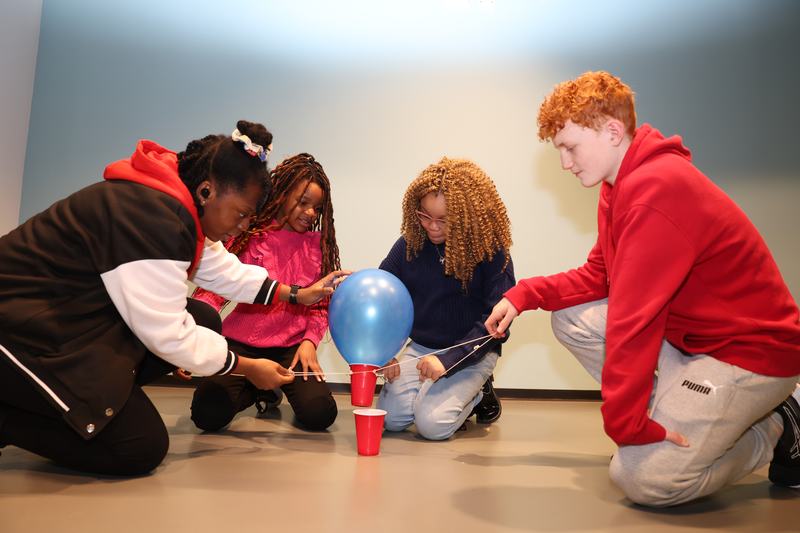
This summer, science centres and museums across the nations are opening their doors to thousands of families, young people and communities, offering opportunities to explore science through hands-on activities, shared experiences and discovery.
Written by Scarlett Li-Williams, Membership & Operations Officer, July 2026
From watching the night skies and encountering wildlife up close to tackling some of society's biggest challenges, the range of exhibitions and public dialogue across our network demonstrates the many ways science can be made accessible, relevant and engaging.
With findings published this year in the 2025 Public Attitudes to Science Survey (PAS) showing that young people are more negative about their experience of science at school, these events highlight the importance of learning throughout the summer period and outside of the curriculum. This continued effort from science centres, gardens, museums and other public engagement organisations shows their dedication to ensuring accessible and engaging STEM learning across the UK all year round, creating opportunities for exploring ideas, building confidence and skills, encouraging participation, and helping people make sense of the world around them.
Creating moments of wonder
For many visitors, this summer provides a first opportunity to experience brand new exhibitions and experiences, as well as the annual events that many look forward to.
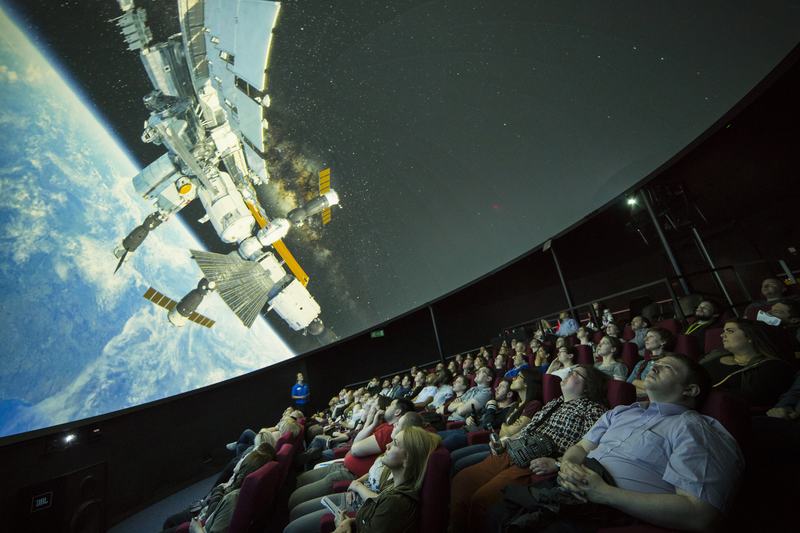
Our members are bringing science to life through immersive experiences that encourage curiosity and imagination that goes beyond Earth. At Armagh Observatory and Planetarium, visitors can journey from prehistoric worlds to distant galaxies through telescope tours, astronomy shows, and dinosaur encounters. Other observatories such as The Observatory Science Centre are taking visitors on a lunar journey, whilst Kielder Observatory is preparing audiences for spectacular celestial events, including a partial solar eclipse and the annual Perseid meteor shower, offering unforgettable opportunities to observe the night sky and experience the wonders of space whilst being here on Earth.
There are new galleries and exhibits this summer to explore, such as the Horrible Science: Cosmic Chaos exhibition at Science and Industry Museum Manchester, a cosmic adventure guided by characters from the brand-new BBC Horrible Science TV series. At the National Space Centre in Leicester, families can be immersed in the brand new Our Solar System experience, with interactive activities and displays to navigate other worlds through creativity and gamification learning.
Live science shows are also a holiday staple, with Dundee Science Centre's Fact or Fiction: Cosmic Chaos family show inviting visitors to question what they think they know about space and science. Cambridge Science Centre’s Genome Guardians live show moves us from what's outside our world to what's inside our cells, as viewers can explore how genomics is transforming healthcare, wellbeing and our understanding of the human body.
For moments of prehistoric wonder, dinosaurs have taken over the UK across our network, with exhibitions, interactive workshops and displays running from the North England and the Midlands to Northern Ireland and Scotland. Highlights include dinosaur-themed activities and displays at Thinktank Birmingham Science Museum and the National Space Centre, Designosaur at Glasgow Science Centre, events at Armagh Observatory and Planetarium, and the Great Dinosaur Escape at The International Centre for Life.
Connecting people with nature and global challenges
Many summer activities this year are helping visitors explore their relationship with the natural world and engage with some of the defining challenges of our time.
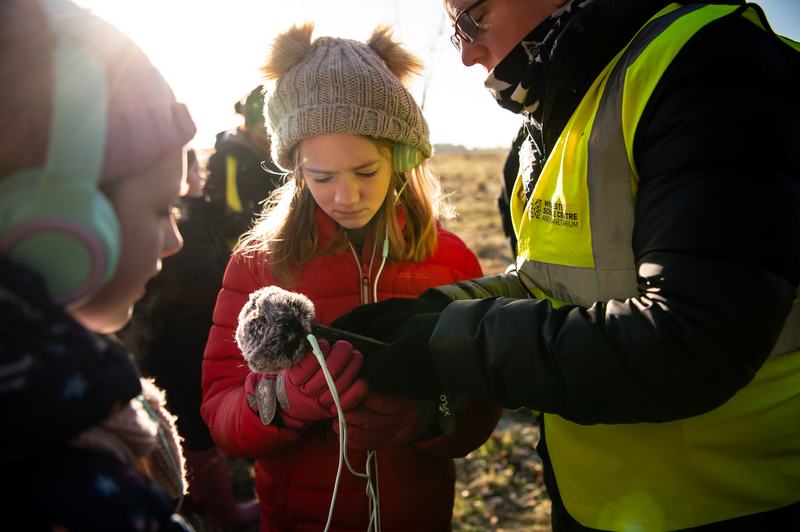
At the Natural History Museum, families can discover nature through a programme of hands-on activities in the Nature Discovery Garden. Visitors can meet pond creatures, contribute to real community science by identifying pollinators and get creative with fun nature-themed crafts and activities. By encouraging people to participate directly in scientific observation and hands-on activities, the programme helps strengthen connections between science, nature and everyday life.
In Swansea, Oriel Science's Our Friend, the Sun programme explores one of the most fundamental relationships in our lives: our connection to the star at the centre of our solar system. Through a series of talks, workshops and activities, visitors can investigate topics including the "Goldilocks Zone" that makes life on Earth possible, the influence of the Sun and Moon on seasons and tides and the growing role of solar energy in society. Alongside interactive activities available throughout the summer and opportunities to hear directly from researchers, the programme encourages visitors to explore how astronomy, environmental science and sustainability shape our understanding of the world around us.
Off the coast of North Berwick, the Scottish Seabird Centre's boat trips to Bass Rock offer visitors the chance to experience one of the world's largest Northern gannet colonies while learning about marine ecosystems, biodiversity and conservation.
Meanwhile, Oxford University Museum of Natural History's new exhibition, 34: The Critical Raw Materials Shaping Our Future, explores the minerals and materials that we use in our everyday life, from smartphones to renewable energy technologies to medical devices and transport systems. Through geological specimens, interactive exhibits, contemporary technologies and public events, visitors are invited to consider how society can meet rising demand for critical resources while protecting ecosystems and communities. The exhibition demonstrates how museums can help audiences engage with some of the most important scientific, environmental and societal questions of our age.
Together, these programmes show how science engagement can help people connect local experiences with global challenges, creating opportunities for reflection and dialogue within communities across the UK.
Building skills, confidence and future aspirations
Across the network, camps, clubs and enrichment activities are continuing learning beyond the classroom, helping young people develop practical skills, confidence and curiosity. Several science themed summer camps will be kicking off over the holidays, from STEM Discovery Centre’s annual STEM Summer Camp in Hertfordshire to W5's Bright Sparks and Techno Sparks summer camps in Belfast.
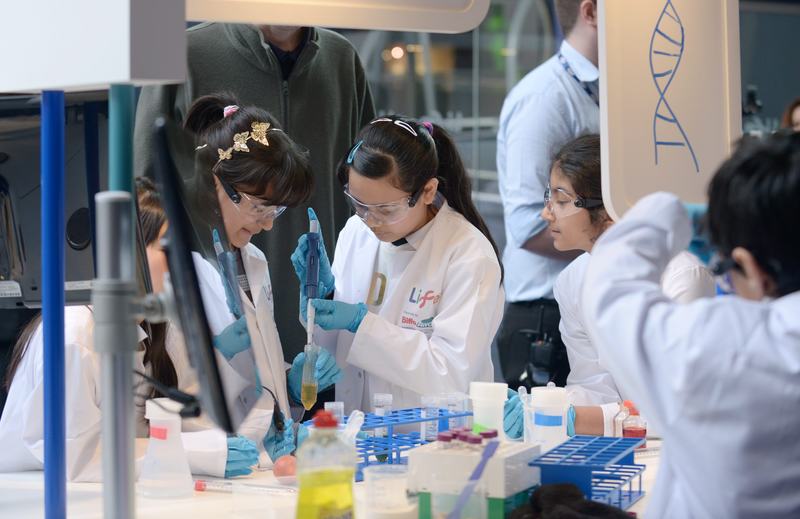
In London, the Centre of the Cell’s summer school will provide hands on experiences to try clinical skills and meet their scientists, and the Royal Institution's Masterclass Celebration Days recognise and celebrate the achievements of students who have participated in its renowned enrichment programmes.
In Edinburgh, Dynamic Earth’s summer outdoor club will see a new generation of young scientists gaining confidence in new skills, whilst at Dundee Science Centre's STEM Club young people can explore future pathways in science, technology, engineering and innovation.
There are skill building opportunities for whole families, such as Science Oxford's BIG Science Event, which encourages families to investigate and experiment together.
This summer also marks an exciting milestone for Exeter Science Centre, who have rebranded to The Planetary Lab and opened their first in-person space. The Planetary Lab will become Devon's first science centre, an important step in expanding access to science engagement across the southwest of England.
Creativity and culture
Science engagement increasingly draws on creativity, storytelling and culture to help audiences connect with scientific ideas in meaningful ways.
At We The Curious in Bristol, Summer of Imagination invites families to explore science through play, creativity and participation. With an emphasis on blending science and imagination, visitors can experiment with food science in the Summer Kitchen, investigate illusions and magic tricks, create mosaics and shadow stories through light and colour, and take part in collaborative activities imagining fairer futures. Younger visitors can enjoy sensory storytelling adventures, while families are encouraged to contribute ideas and creativity to evolving exhibitions.
The National Science and Media Museum's summer programme in Bradford showcases the rich connections between science, technology and culture. Through exhibitions, projection tours, family activities and events linked to literature, media and storytelling, visitors can explore how science and innovation influence the ways we communicate and experience the world.
At Xplore! in Wrexham, activities such as Wonder Day and its wider summer programme encourage creativity, design thinking and hands-on exploration, while members across the network continue to combine science with art, performance and storytelling in ways that broaden participation and engagement.
By creating opportunities for creativity, self-expression and collaboration, these programmes help ensure science remains accessible, relevant and meaningful to a diverse range of audiences.
Science in communities
Many members are extending their impact beyond traditional museum and science centre settings, creating opportunities for science engagement in communities, schools and public spaces.
Explorer Dome's family fun days, outreach activities and holiday clubs are bringing science experiences directly to families and local communities, and Catalyst Science Discovery Centre and Museum's workshops and family programming encourage visitors to explore topics ranging from planetary science to sun safety through hands-on learning.
In Cardiff, Techniquest's 40th anniversary celebrations provide an opportunity to reflect on four decades of inspiring curiosity - bringing back old favourite exhibits, and introducing new ones. Beginning with its special "A-mazing Weekend", the anniversary programme celebrates the centre's long-standing contribution to science engagement while continuing to inspire new generations of visitors.
These initiatives highlight the important role science centres and museums play as community assets: trusted spaces where people can come together to learn, explore and participate in science in ways that are meaningful to them.