
Lee Pullen Photography
In March, ASDC held the Next Gen Earth end-of-project showcase at Brunel’s SS Great Britain in Bristol, bringing together project leads, community partners and collaborators from across the UK. The event celebrated the achievements of nine youth-led programmes, each working with young people to promote agency and ownership in environmental science through co-created place-based engagements.
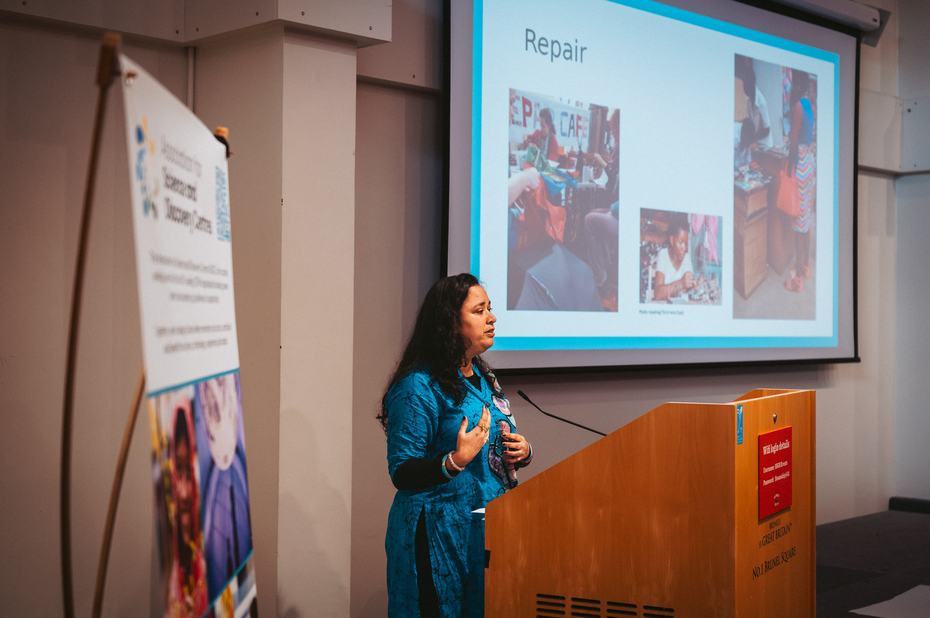
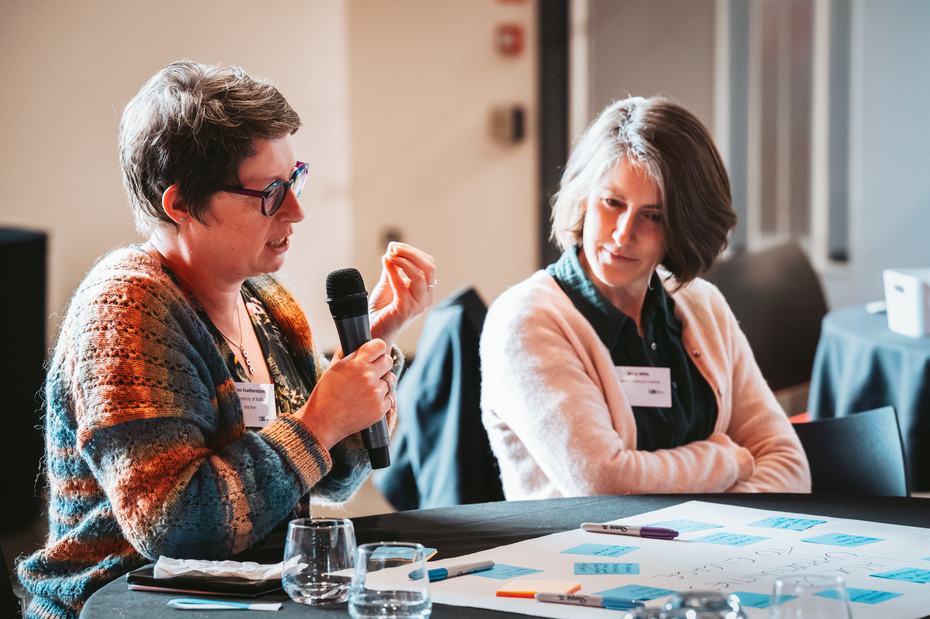
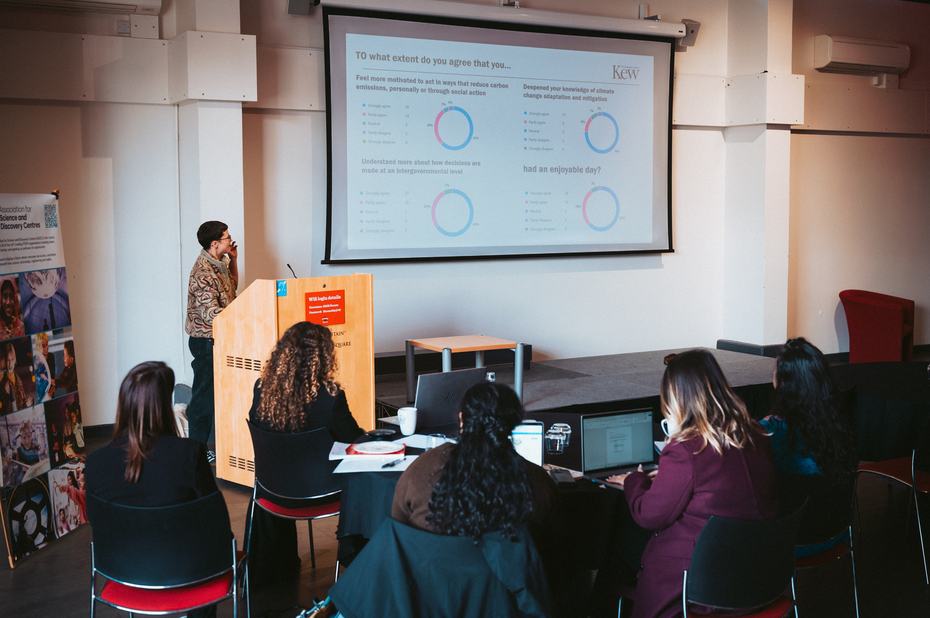
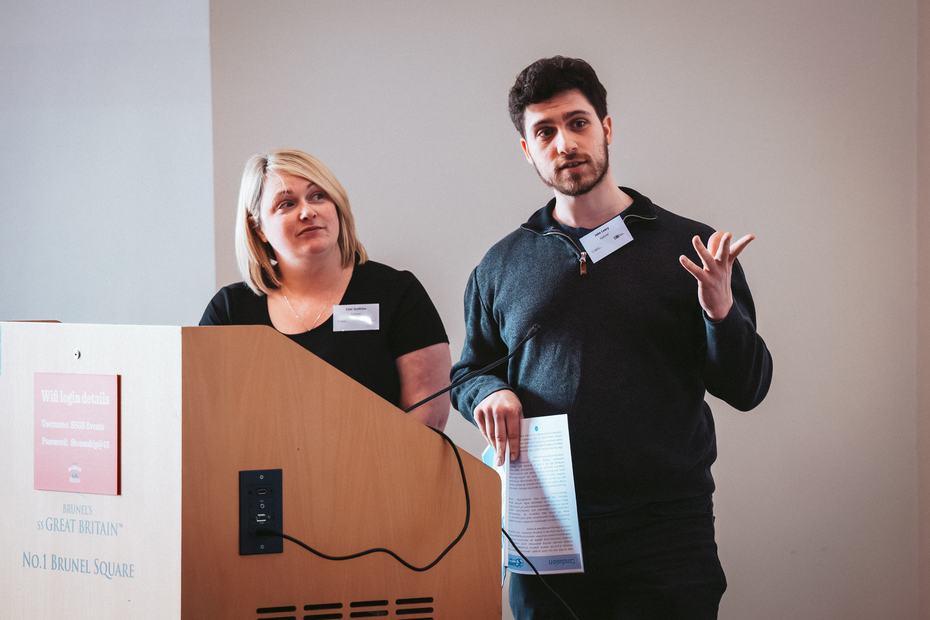
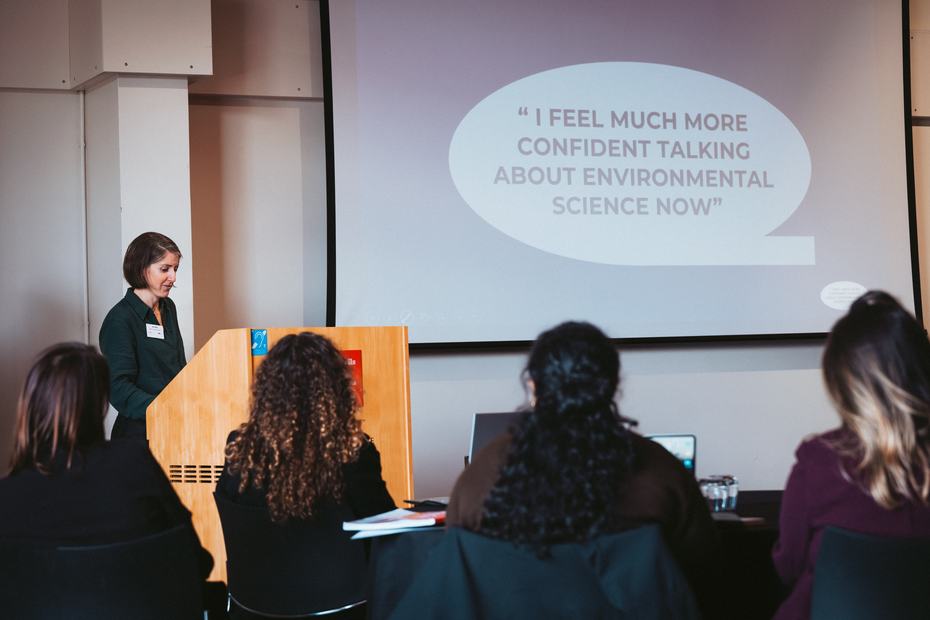
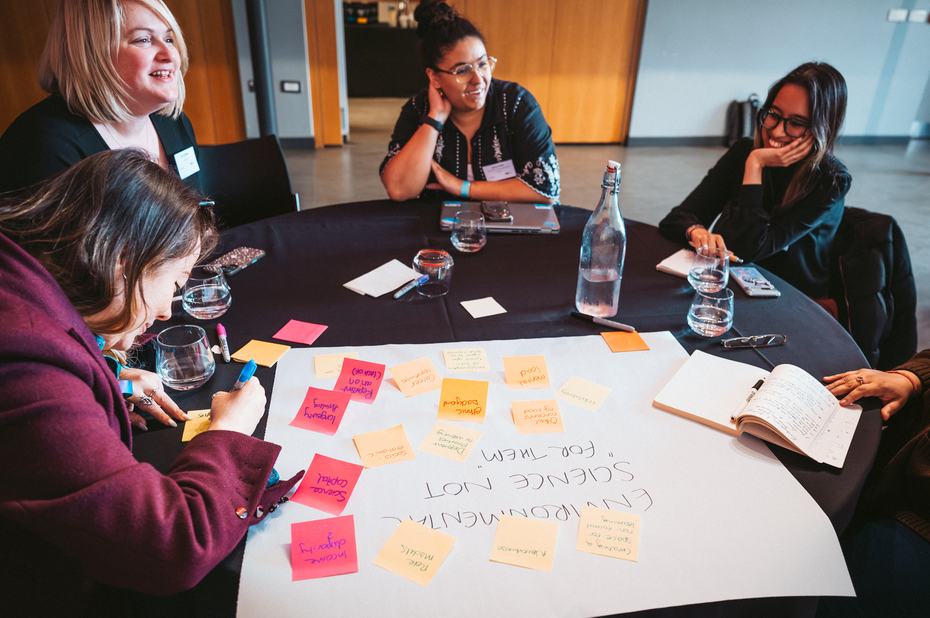
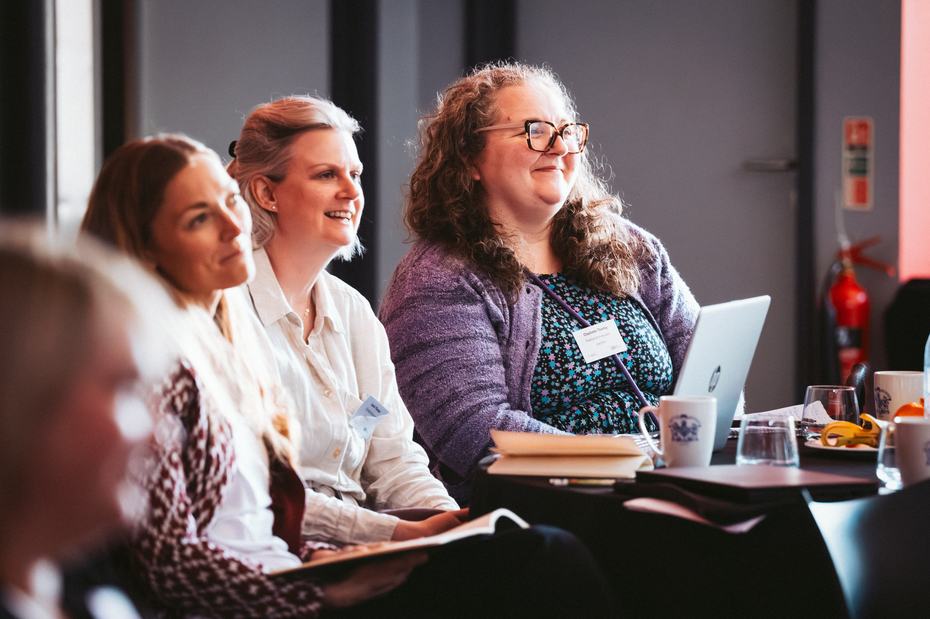
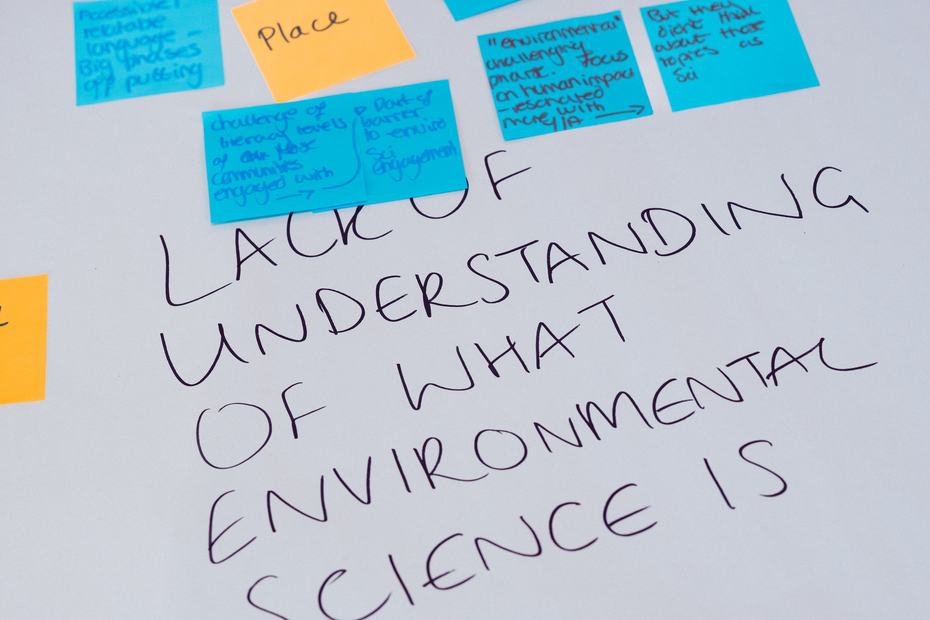
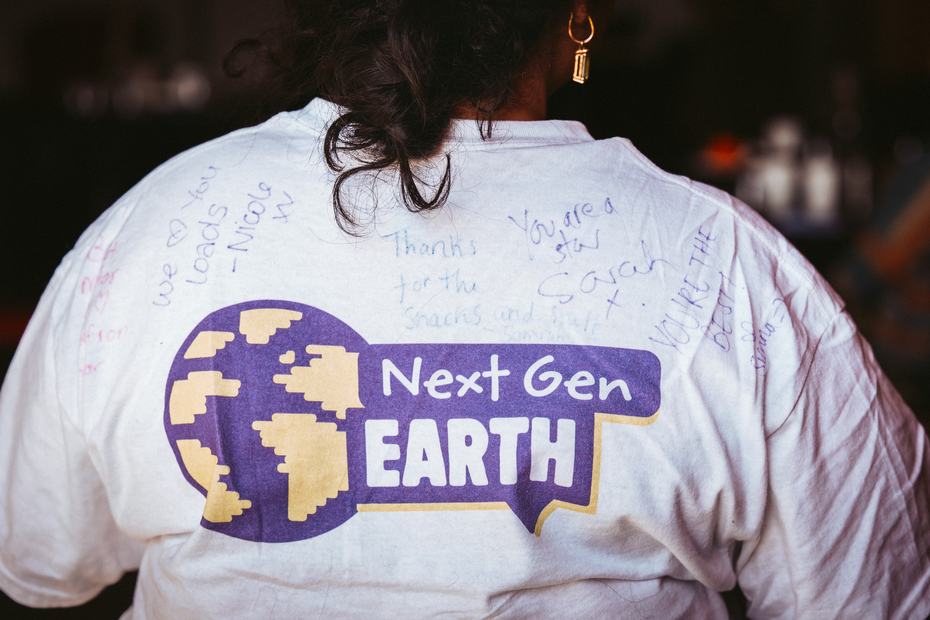
During the event, we heard directly from science centres, museums and researchers about their work to better understand the barriers young people face when engaging with environmental science. The diversity of approaches was striking. From a Model Youth COP led by Royal Botanic Gardens, Kew, to the youth-led ‘Deep Dive’ podcast from Xplore! Science Discovery Centre, and a brand-new community garden designed and created by young people at the National Space Centre, each project demonstrated the power of co-creation and local youth engagement.
We were also delighted to hear from Gnisha Bevan, Co-creator of the Black Seeds Network, who shared a thought-provoking keynote. Gnisha highlighted the urgent need to centre under-represented voices within environmental science, drawing on her work with the Black Seed Network and the impact of the Nature Rising project. She emphasised that the current landscape remains inequitable and that meaningful, structural change is required, particularly in addressing barriers faced by global majority communities and rethinking the “pipeline” into environmental careers.
The showcase provided a valuable opportunity not only to reflect on the impact of the projects, but also to bring the cohort together to share learning and build connections.
Hannah Lacey, Senior Progamme Manager at the Natural Environment Research Council and the project funder, noted: “The end of funding showcase event was a great opportunity to bring the funded projects together and gain real insight into the work delivered and the learnings from each project. From the funder’s perspective, it was an excellent opportunity to understand the shared successes of the cohort and also challenges. ASDC created a welcoming and inclusive event where the cohort of funded projects could collaborate, share learnings, and provide valuable networking opportunities.”
Reflections from the project steering group highlighted that a number of projects were not starting from a position of neutrality, but from one where some of the young people they were engaging with had already rejected science or felt science was ‘not for me’. This is not something that is often acknowledged, as engagement is typically assumed to begin from a place of at least openness or indifference. In practice, this meant working with participants who struggled to see the relevance of science to their own lives and interests, and who may have had prior negative experiences that shaped their perceptions. Engaging these audiences required a high level of care and skill, with approaches focused on building trust, demonstrating relevance, and creating meaningful connections between science and everyday life. Shared by Dr Helen Featherstone, Head of Public Engagement, University of Bath.
It was great to see the breadth of science (and also creative!) skills that each organisation helped to foster, as well as the tangible impact that has been made around confidence in engaging with science in the young people.
“It is a testament to the hard work that each organisation put into connecting with and building relationships with the young people - something they should all be immensely proud of.” Mait Pithili, Natural History Museum
Next Gen Earth is one of the most important projects we’ve run at ASDC, promoting the role of science and discovery centres and museums as the places to platform and amplify the voices, ideas and interests of local young people. The nine organisations, worked with young people whose voices are often overlooked or seldom heard. The showcase shared how project partners have done this through an understanding that engaging with environmental science can’t be the most important thing in these young people’s lives. But through creativity, making it relevant, and most importantly spending time to build the relationships. We’re seeing the shifts in the outcomes for young people in terms of understanding of what environmental science is, feeling heard, feeling able to join in and feeling their self-belief and confidence means they feel they could go into environmental science in the future if they wanted to. Reflection shared by Shaaron Leverment, Project Director
ASDC would like to thank the project partners, community partners, researchers, volunteers, and the young people for being involved and extend our sincere thanks to the Natural Environment Research Council for supporting this important, community-led programme. The impact has been particularly significant for young people from areas of multiple deprivation across the UK, helping to open up new opportunities to connect with environmental science and imagine future pathways. We look forward to sharing the final reports soon!