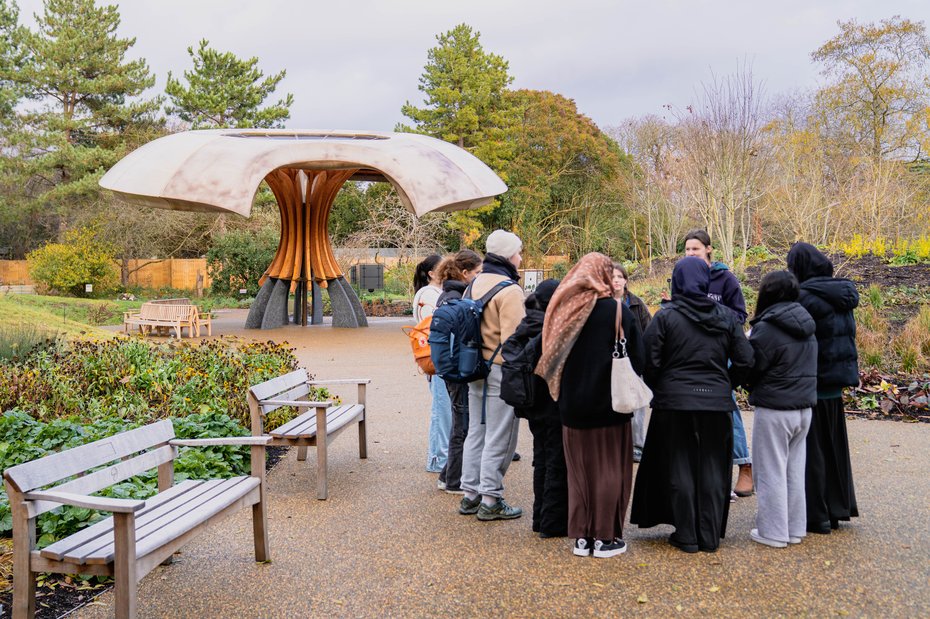
Credit: Kew Gardens and the Kew Youth Council
The Next Gen Earth programme, funded by the Natural Environment Research Council, part of UK Research and Innovation, launched in August 2025 across nine ASDC member organisations. The programme engages young people aged 7–18 from diverse and often underrepresented backgrounds with environmental science, research, and careers.
The projects have focused on youth-led engagements with the aim to understand the barriers for young people from diverse regions considering a future career in NERC research and innovation, and to explore what works to promote agency and ownership in environmental sciences through co-created place-based engagements.
Credit: Kew Gardens and the Kew Youth Council
Participants have engaged with a wide range of immersive experiences, including VR coral reef dives, live Q&As with marine scientists, behind-the-scenes visits to environmental institutions, and designing a biodiversity garden. They have also taken part in COP-style debates and community-based events with local industry and research, applying science-related skills to explore practical challenges such as water pollution, biodiversity loss, climate change, flooding, and coastal degradation.
The topics chosen often directly reflected issues most relevant to the young people in their region. Interaction with scientists, researchers, and environmental organisations has helped demystify environmental careers and helped young people explore how research links to everyday life and local issues they care about.
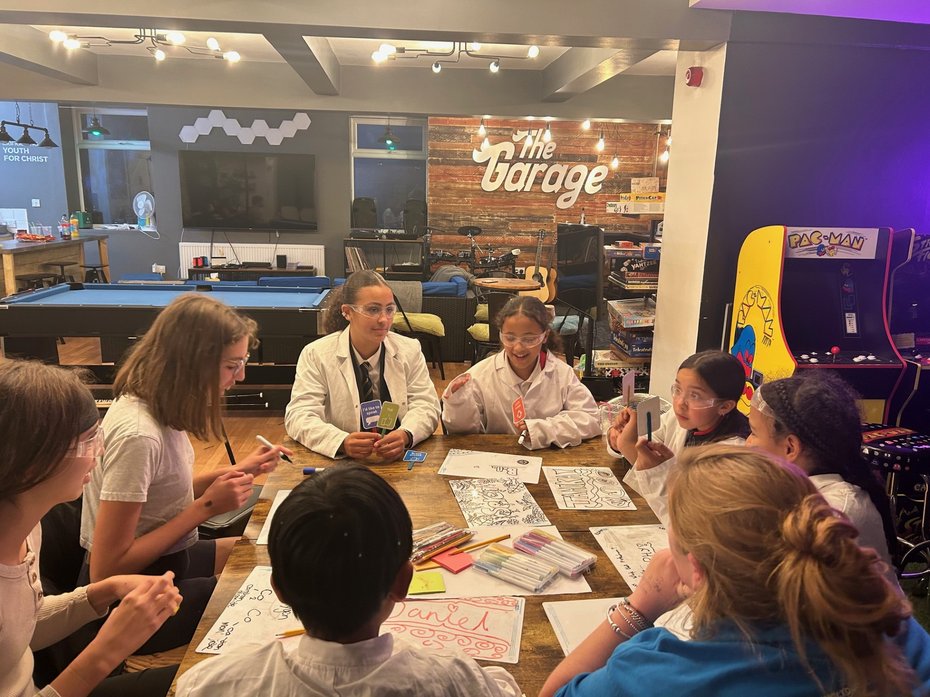
Credit: Xplore! Science and Discovery Centre and the Methodist Church Circuit
With COP30 taking place in the middle of the delivery period, some partnerships naturally focused their activities around the event, making climate science a dominant topic. Kew Gardens have partnered with their own Youth Council to create a series of youth-led events including the Model-COP, which was the first time the youth council facilitated the event on their own. The project manager and external evaluator attended the day, where youth groups from across London participated in a re-enactment of what happens at COP, debating current global issues around climate change and biodiversity loss.
Techniquest partnered with a Cardiff based charity, the Home Educated Wales community, and the Welsh Youth Parliament. Their project culminated in a COP30 themed celebration event where the young people presented their views and debated issues in front of a group of environmental organisations and researchers, including Green Gen Energy, Seagrass Project and Cardiff University.
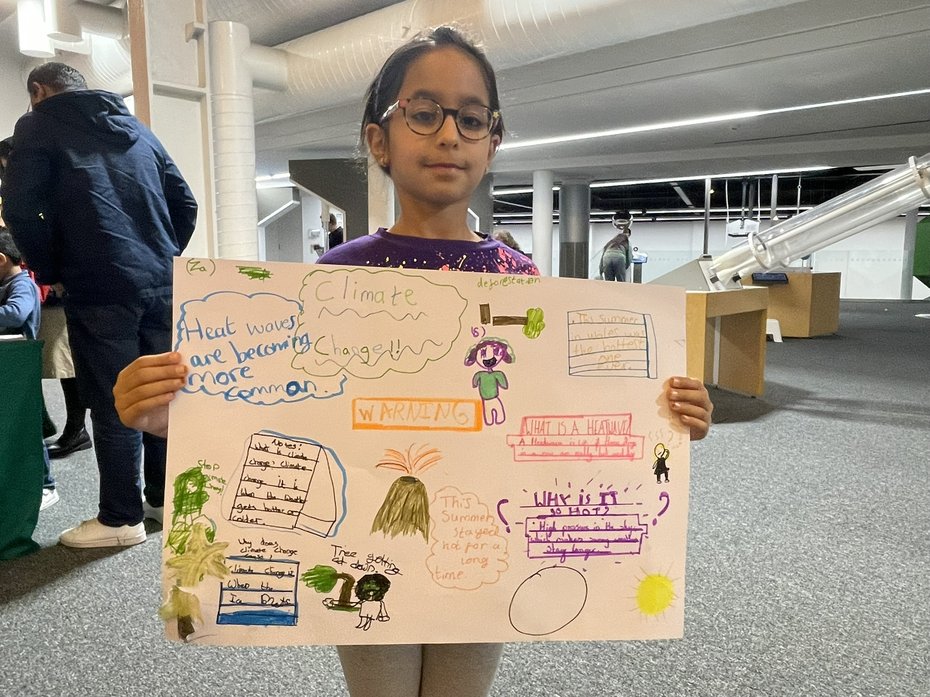
Credit: Techniquest and ACE community group
The impact of the project
Insights from the recent interim evaluation report and reflections from project leads are already glimpsing valuable perceptions and outcomes from the young people. Findings suggest that the young people’s perceptions of “science” have often been negative, shaped by their experiences at school. This has meant that centres are starting from a challenging position rather than a neutral one in their initial sessions, making the positive discoveries and outputs emerging from these projects all the more compelling.
One partner shared that for their participants, this was the first positive interaction they had ever had with science. This highlights the important role that informal science engagement spaces play in shaping young people’s positive perceptions of science.
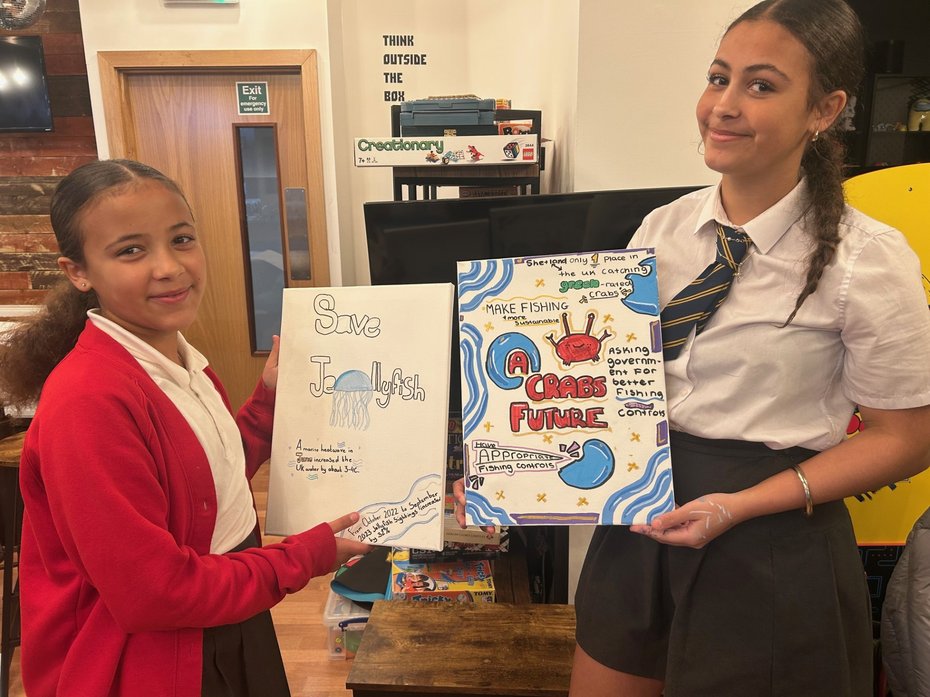
Credit: Xplore! Science and Discovery Centre and the Methodist Church Circuit
Alongside promoting agency and ownership in the young people, the projects also aim to equip young people with skills they can continue to use as they progress through education and into future careers. To date, the young people have developed key skills including data collection and analysis, critical thinking, teamwork, communication, and leadership. Many projects have prioritised co-creation, empowering participants to design events, create podcasts and videos, lead debates, advise institutions, and try to influence local decision-making.
This emphasis on youth voice, combined with practical, place-based learning, has already seen examples of an increase in confidence, agency, and aspiration in the young people involved. We are proud to be platforming young peoples’ voices on environmental science on this national stage and can't wait to see what else comes out of the learning from these projects.
Keep an eye out for the final report in April 2026!
