
Katka-photography.com
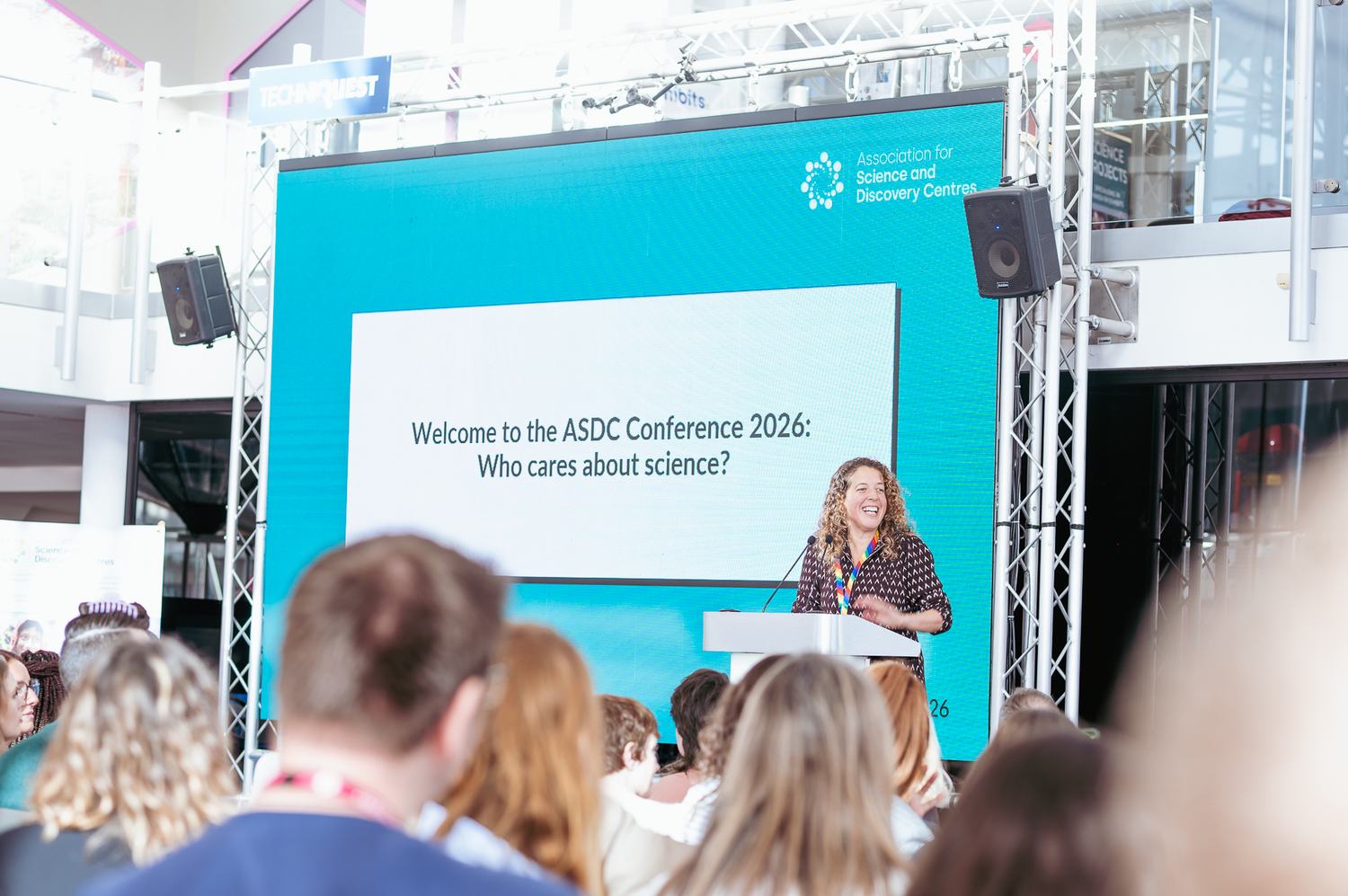
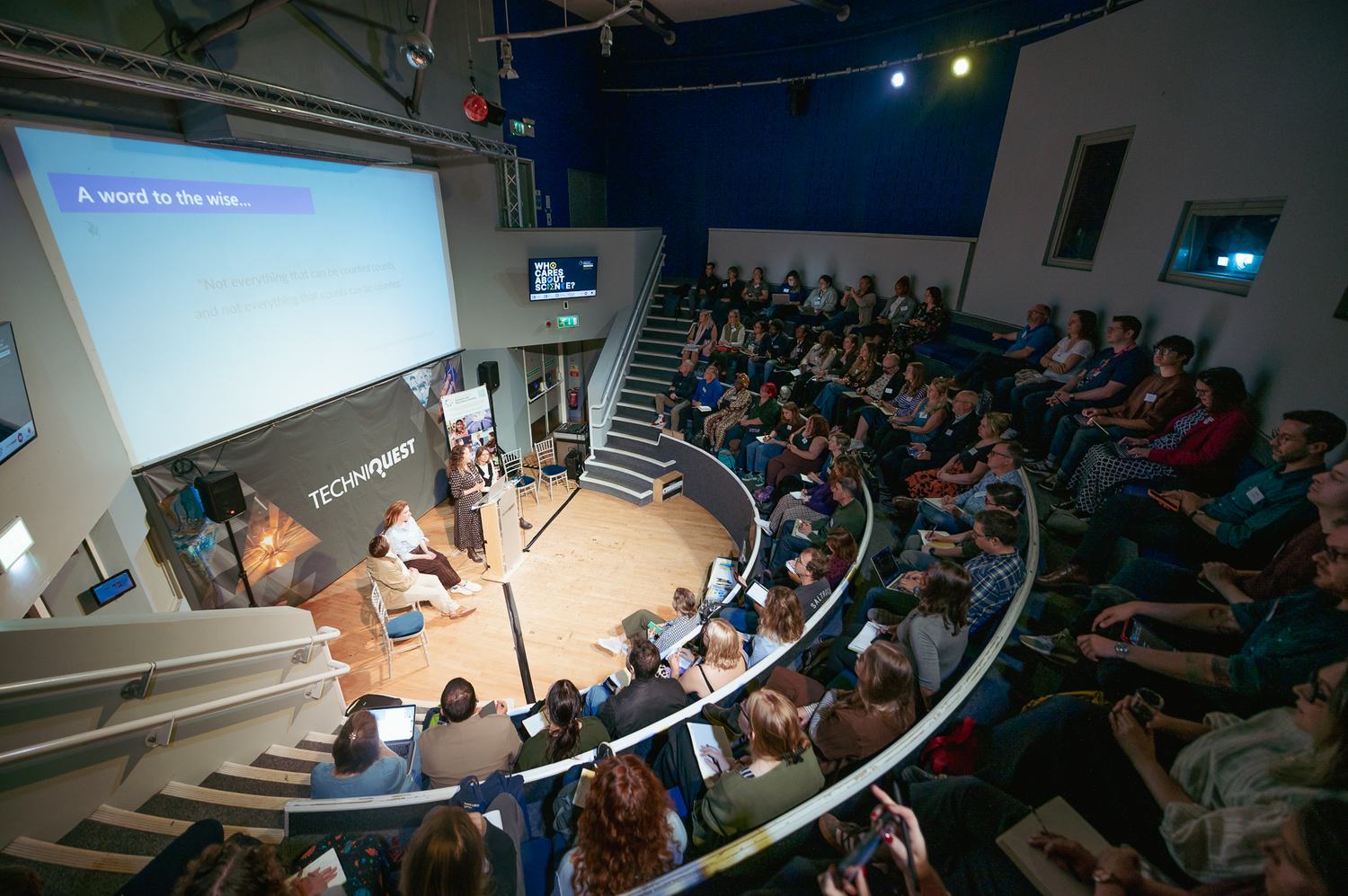
Young people’s voices, provocative debate and fresh ideas on inclusion, climate and community shaped two days of discussion at the ASDC Conference 2026, hosted by Techniquest in Cardiff on 14th – 15th October.
Who cares about science? Who gets to shape it, and how can we make sure it matters to everyone?
These questions were at the heart of ASDC26, the annual conference of the Association for Science and Discovery Centres (ASDC), which brought together colleagues from across the UK’s science and discovery centres, museums and wider science engagement sector to explore the role of science in society.
Hosted by Techniquest, Wales’ first science discovery centre, the conference combined thought-provoking keynotes, practical workshops, lively debate and opportunities to connect with colleagues. As Techniquest celebrates its 40th anniversary, the event provided an opportunity to reflect on the sector’s contribution to society and consider how it can respond to the challenges ahead.
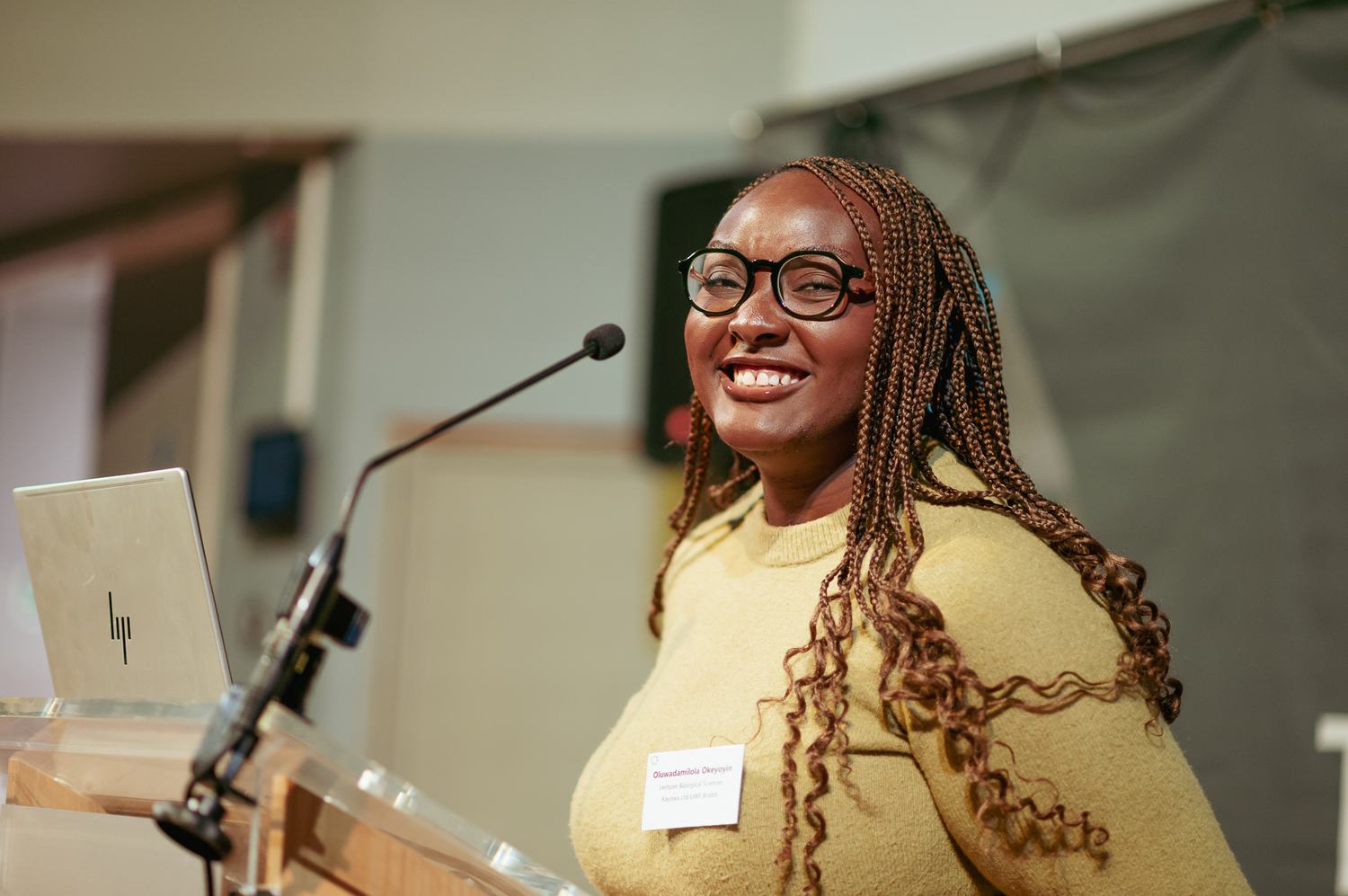
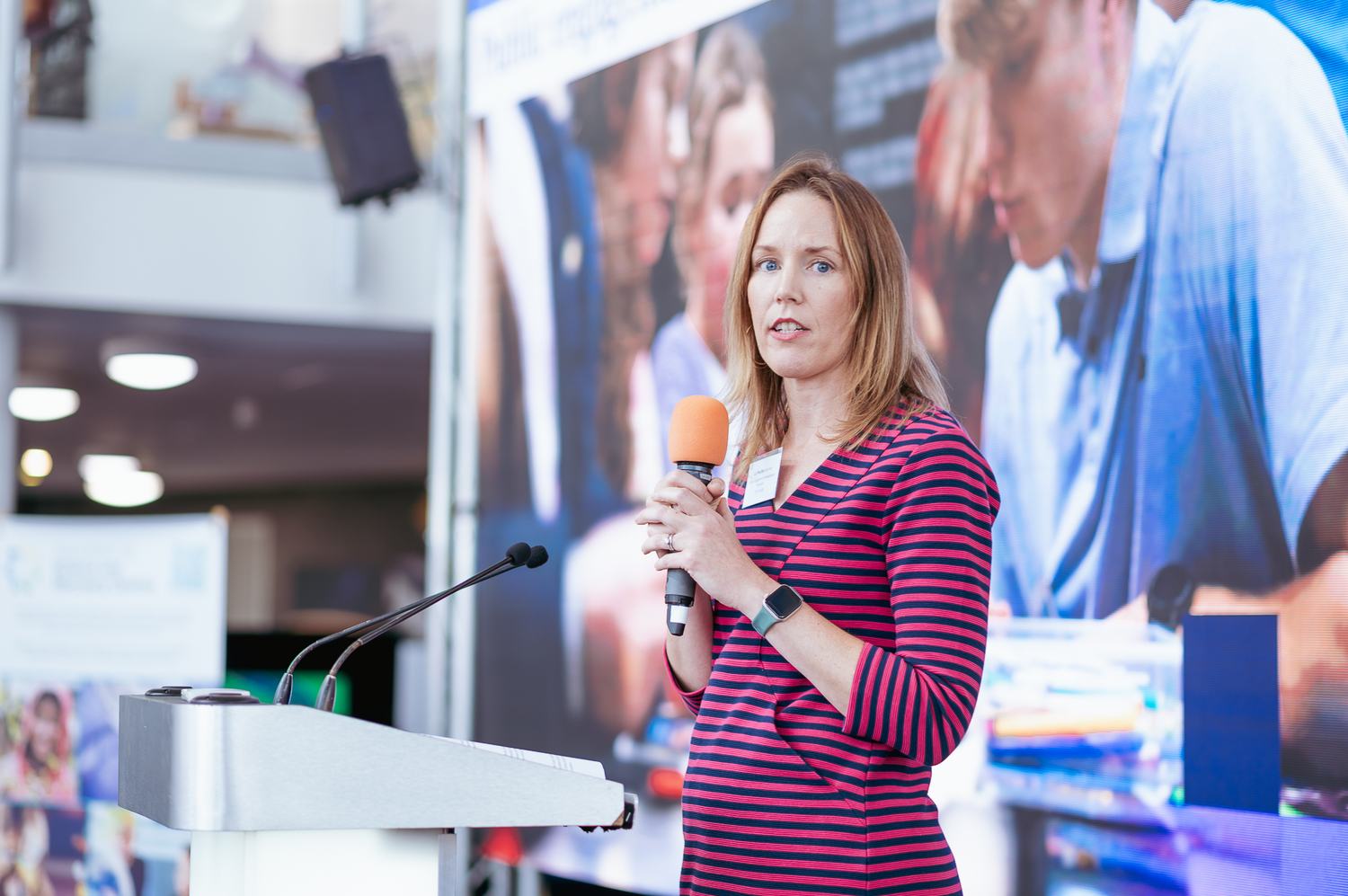
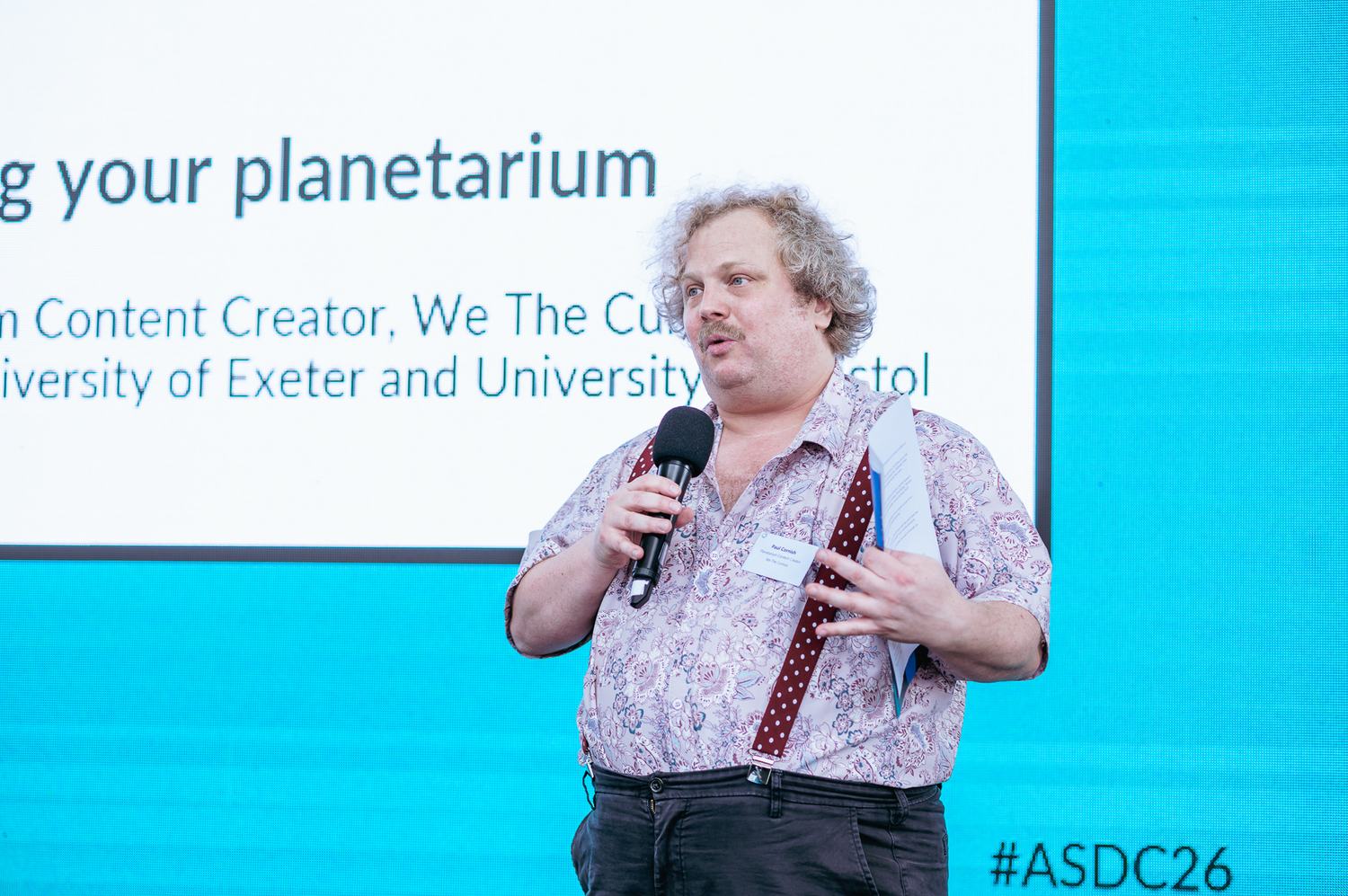
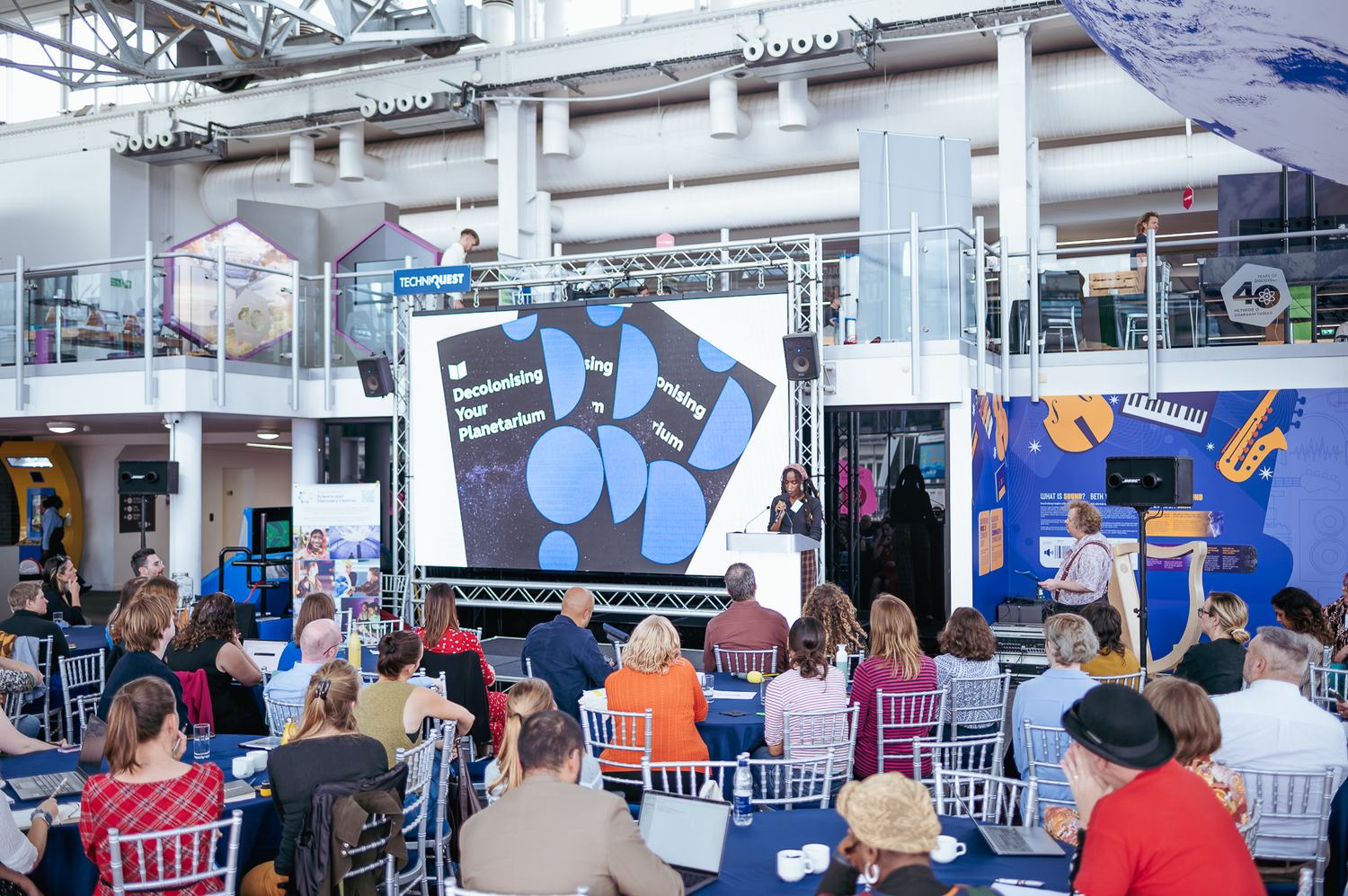
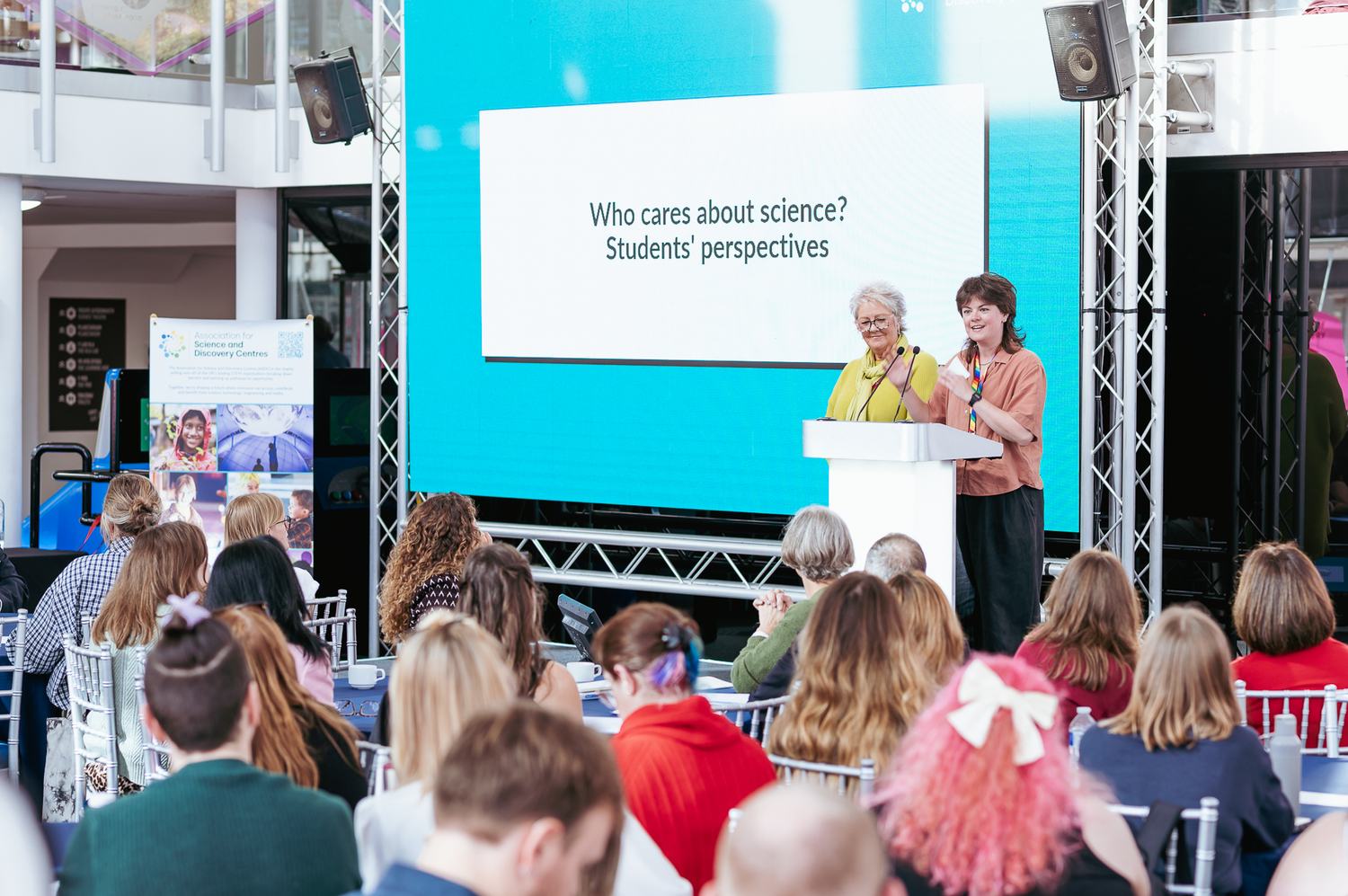
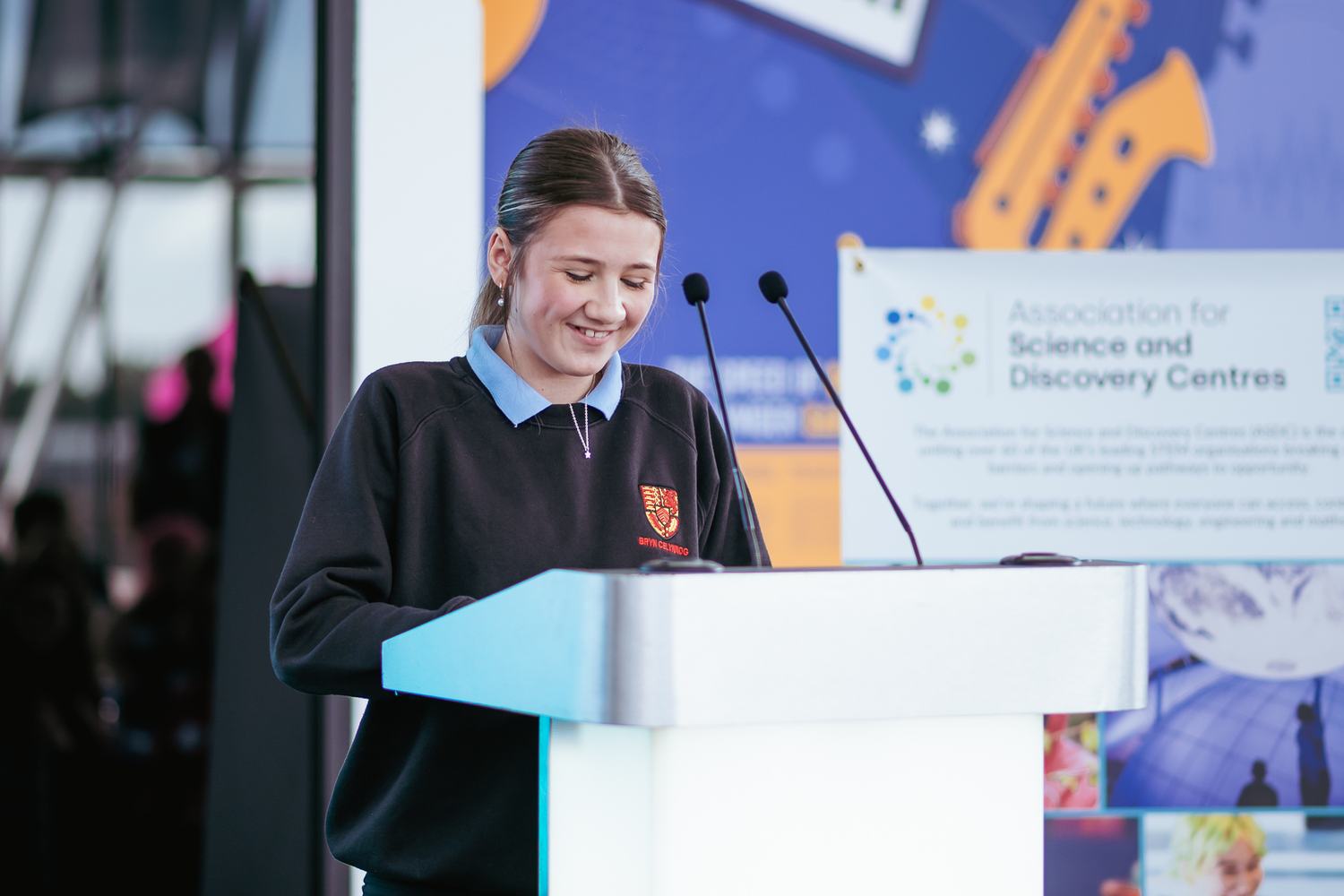
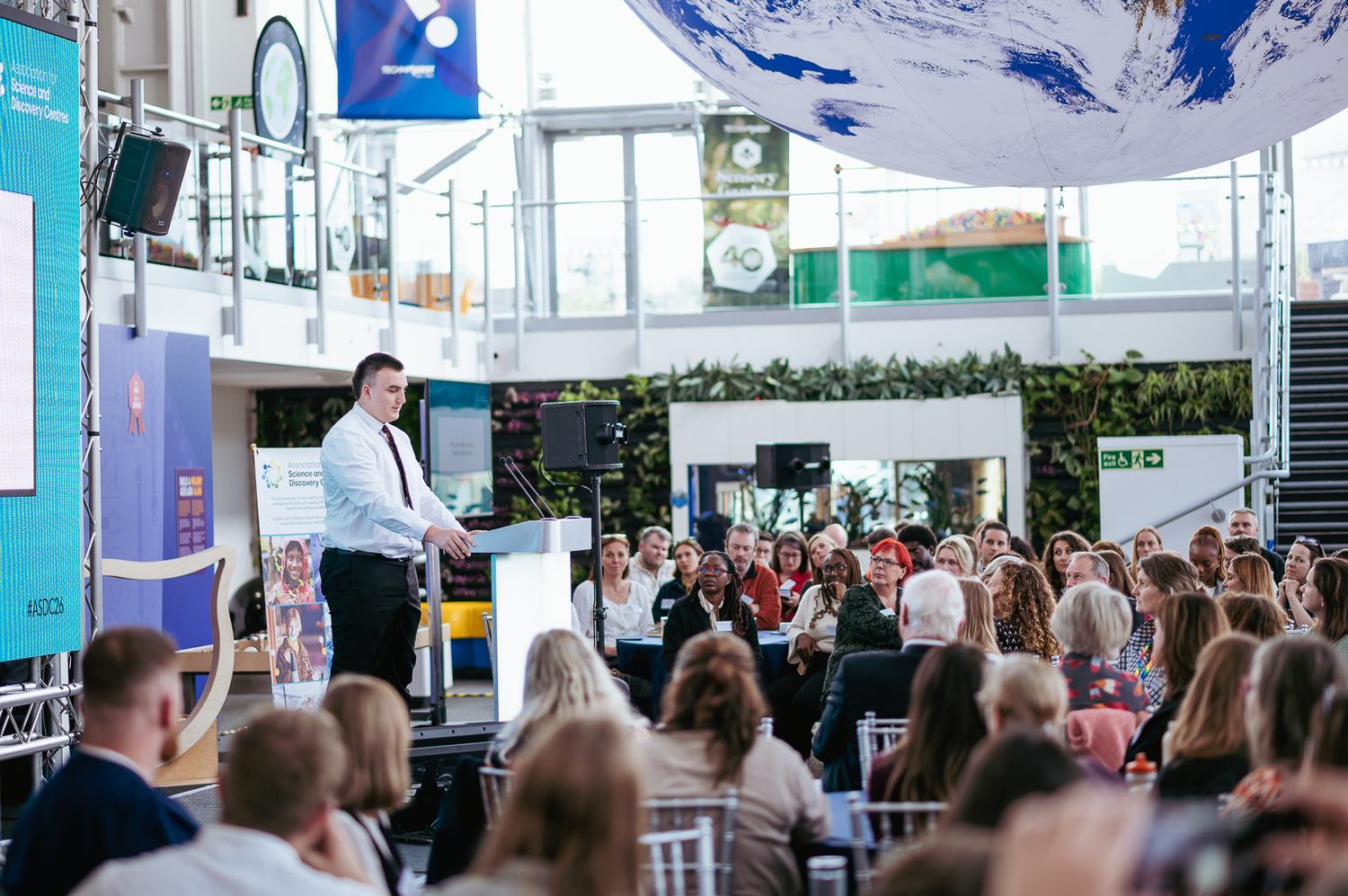
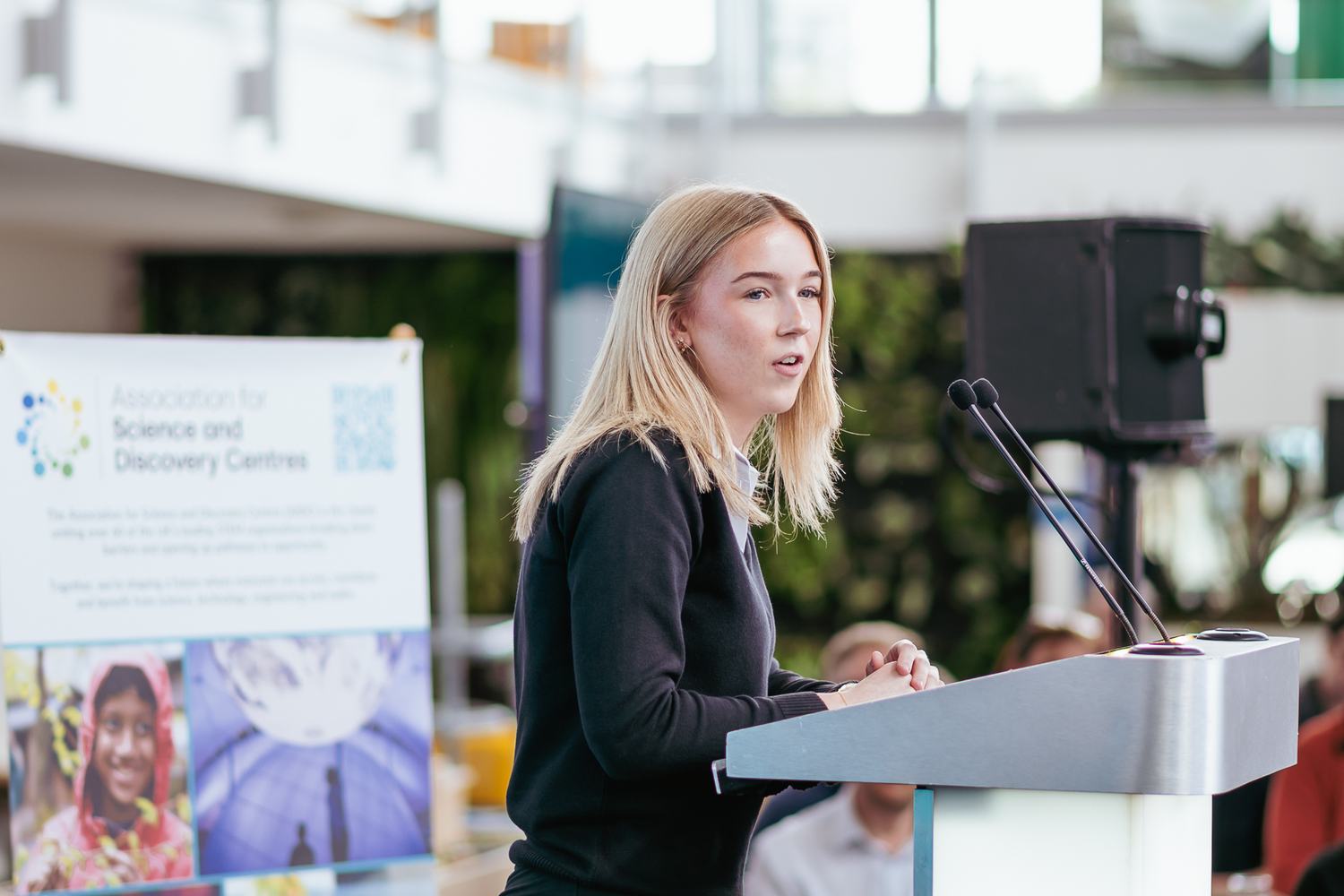
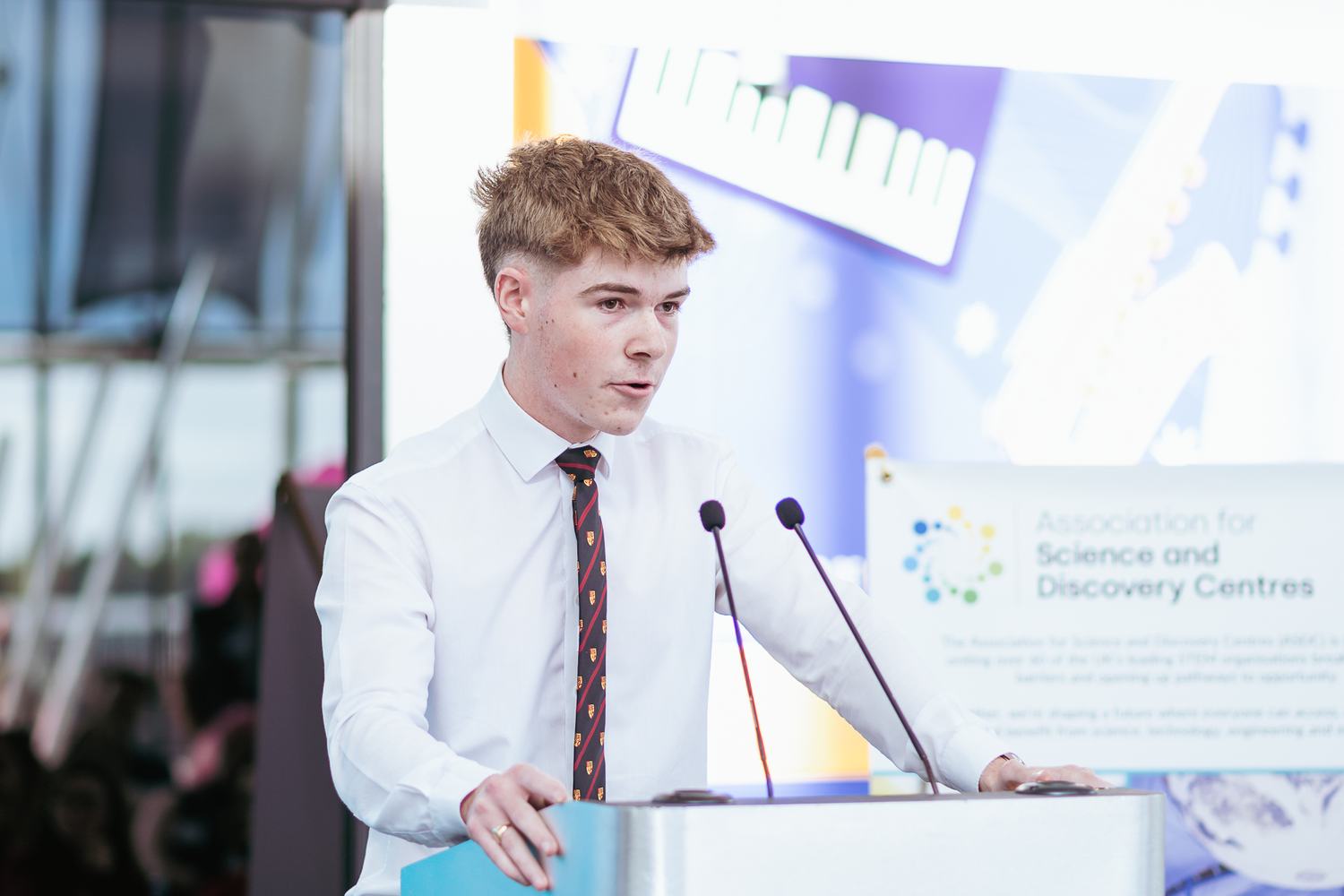
One of the most powerful moments of the event came from a group of A-level and GCSE biology students from local school Bryn Celynnog Comprehensive. The six students spoke with passion and conviction about the issues that matter to them, challenging delegates to think differently about how science is taught, communicated and connected to everyday life. They called for science education to move beyond memorising facts for exams, making more space for curiosity, critical thinking and better questions. Their concerns ranged from natural disasters, wildfires, extreme droughts and pandemics to the under-representation of women in research. Above all, they reminded delegates that behind the statistics, scientific discoveries and headlines are real people whose lives are affected by science.
One student captured the spirit of the conference perfectly:
“We should all care about science and science is most powerful when it serves everyone.”
Their contributions brought the conference theme into sharp focus, challenging the sector to listen to young people, take their concerns seriously and ensure science engagement reflects the world they are growing up in.
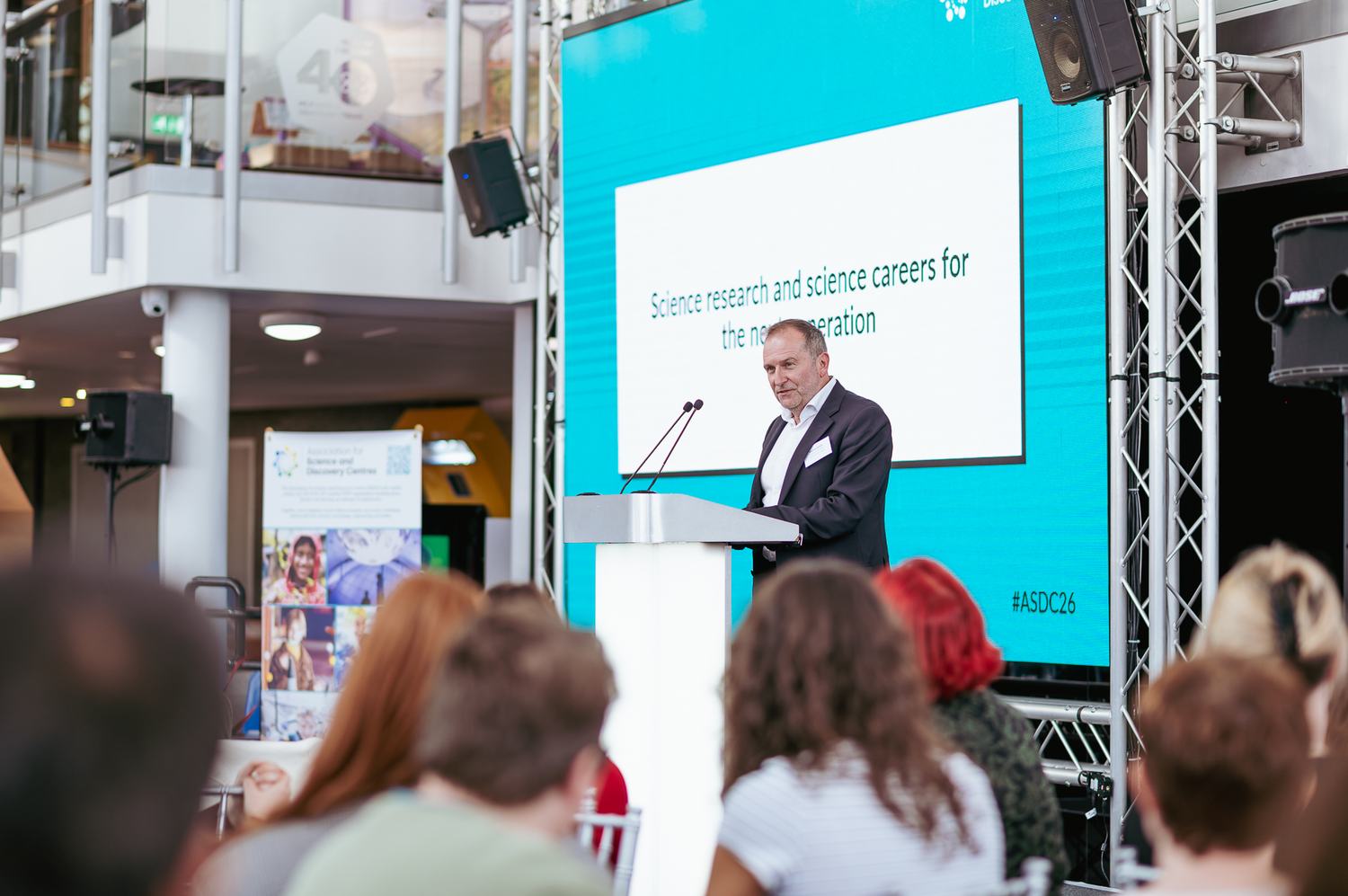
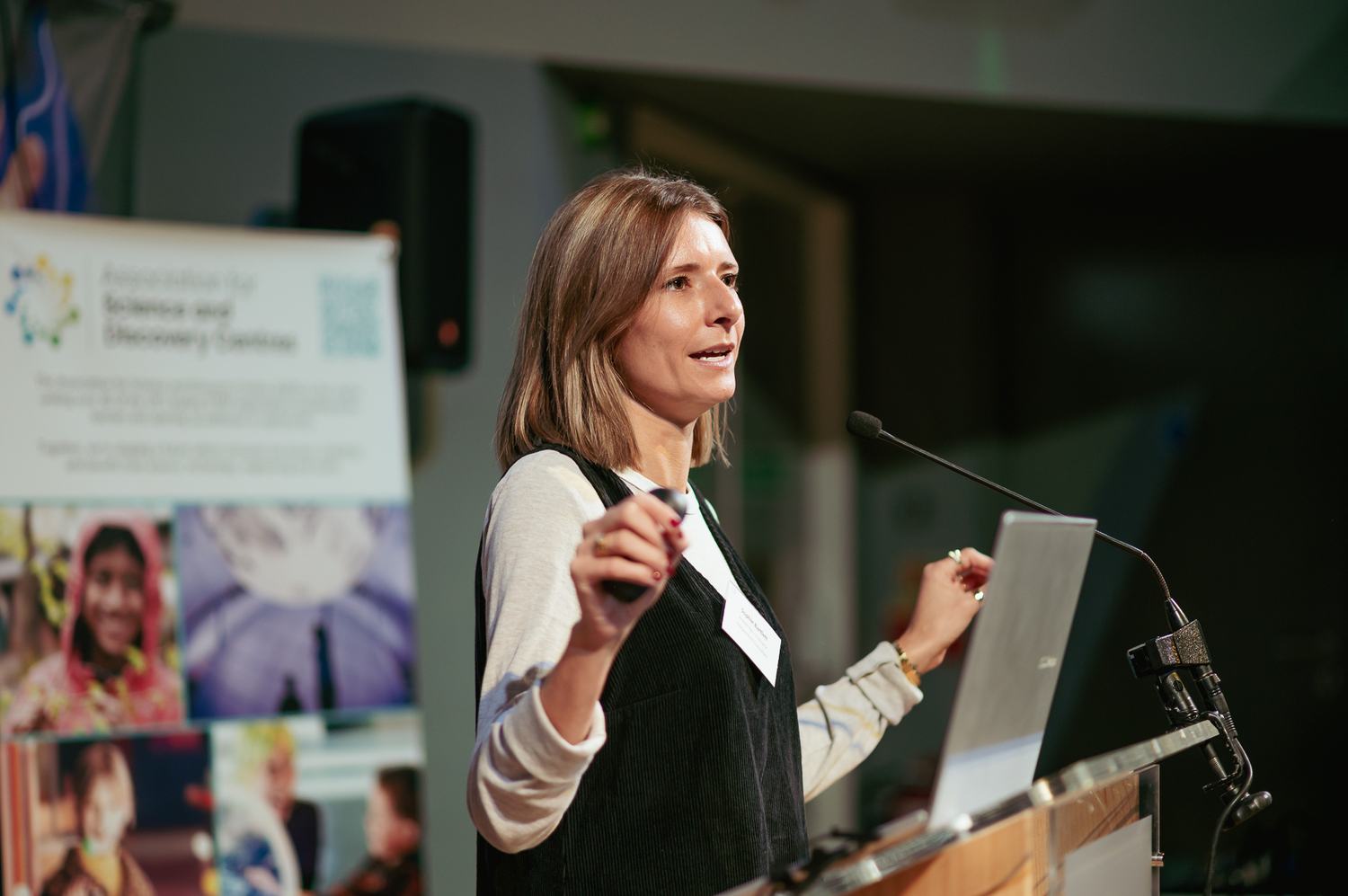
Following from the students’ perspectives, Professor Dame Angela McLean, the UK Government’s Chief Scientific Adviser, delivered the opening keynote sharing insights into her role and setting the scene for conversations about science’s place in society. She explored what the future holds for careers in science, and answered questions from delegates as she shared her thoughts on how to ensure everyone is included and children across the UK have access to a science centre.
Rethinking who science is for...
How can science engagement reach people who do not already feel connected to science? And what needs to change to make science more relevant, inclusive and meaningful? These questions ran through the conference programme, from Deep Dives into community and co-creation to sessions exploring who gets to see themselves as a “science person”.
Delegates examined the barriers that can prevent people from engaging with science, including a session on how to support parents who care about science but lack confidence in exploring it with their children. Other discussions explored queer perspectives in science engagement and how organisations can create experiences that help more people feel a sense of belonging.
The programme also challenged delegates to look critically at their own practice. Sessions explored how science shows can better connect with audiences, whether a lack of public interest in science is a problem for audiences or the sector itself, and how science centres can be understood as civic institutions with an important role in their communities.
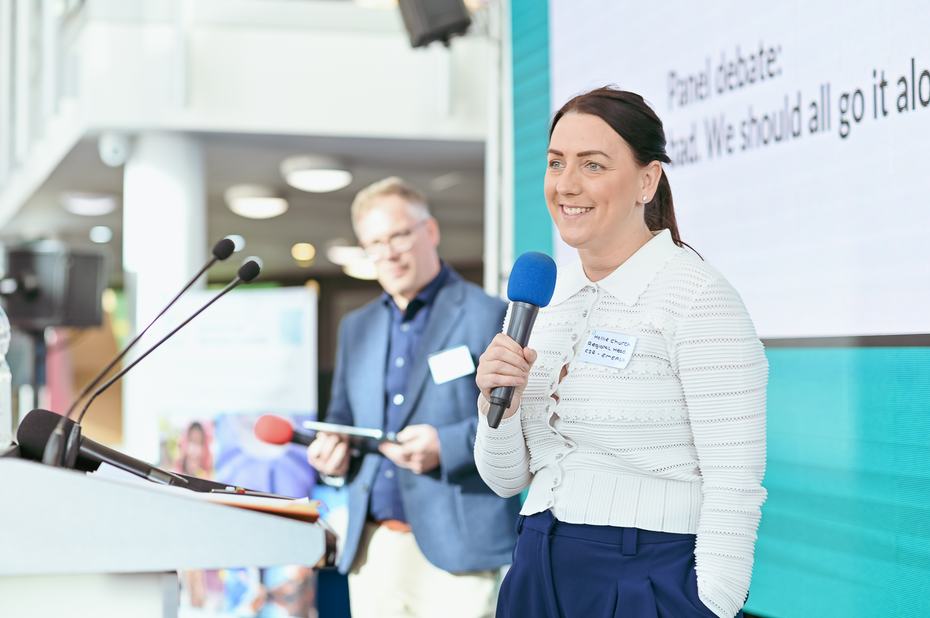
A debate provocatively titled Collaboration is bad. We should all go it alone invited delegates to question the value of working together, while sessions on articulating impact and community co-creation explored how organisations can demonstrate their value and give communities greater agency in shaping their experiences.
Deep Dive takeover
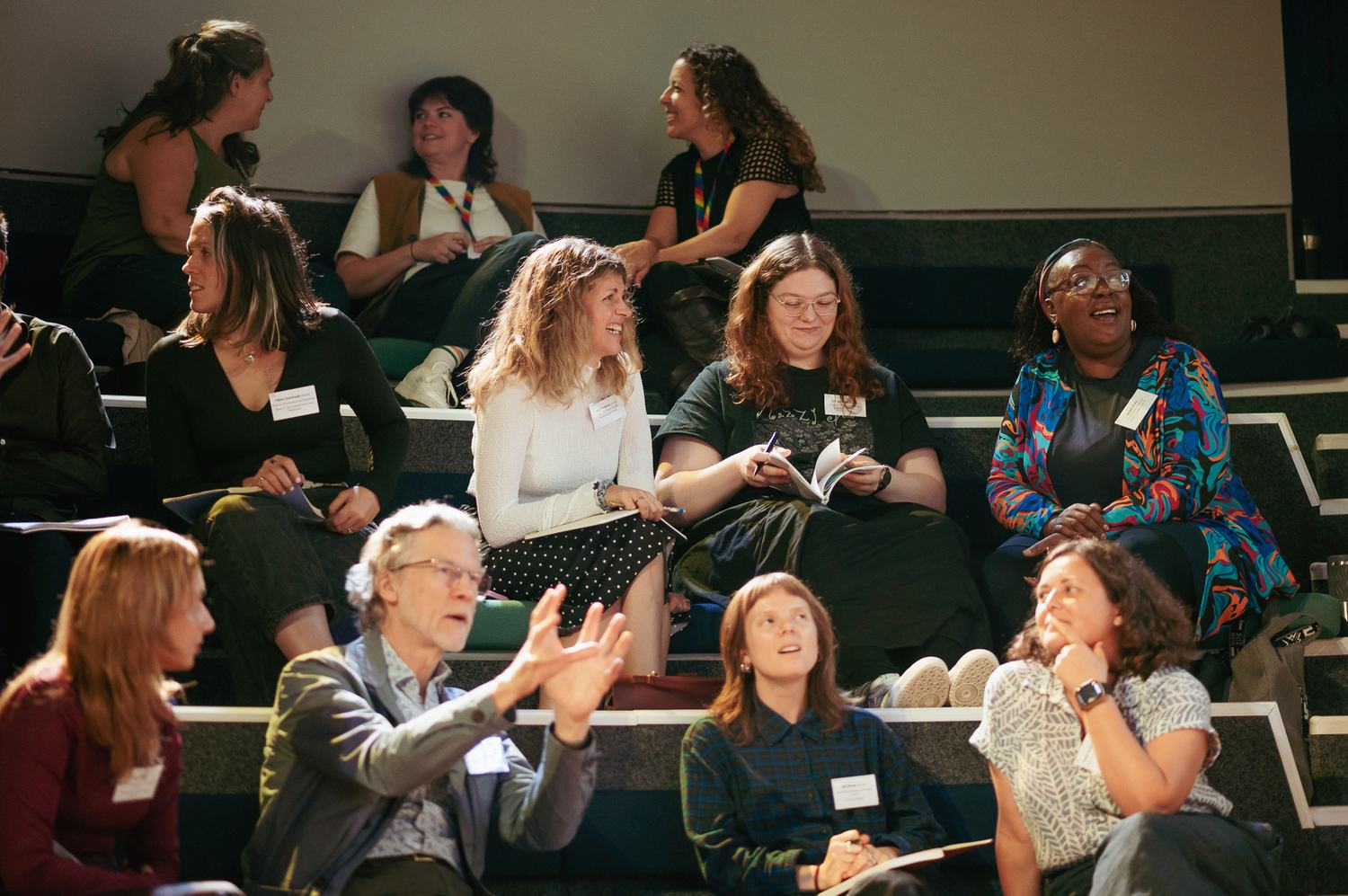
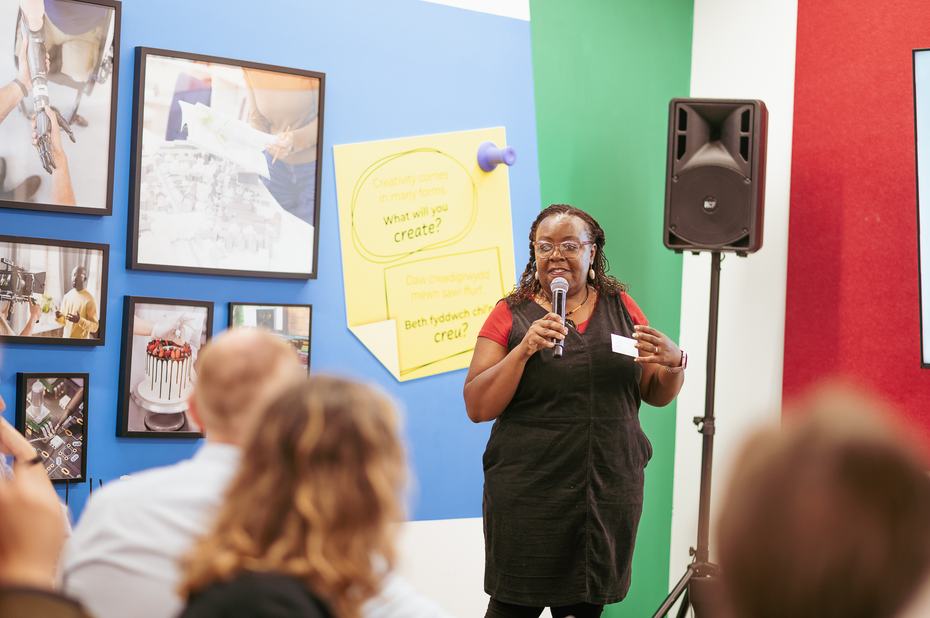
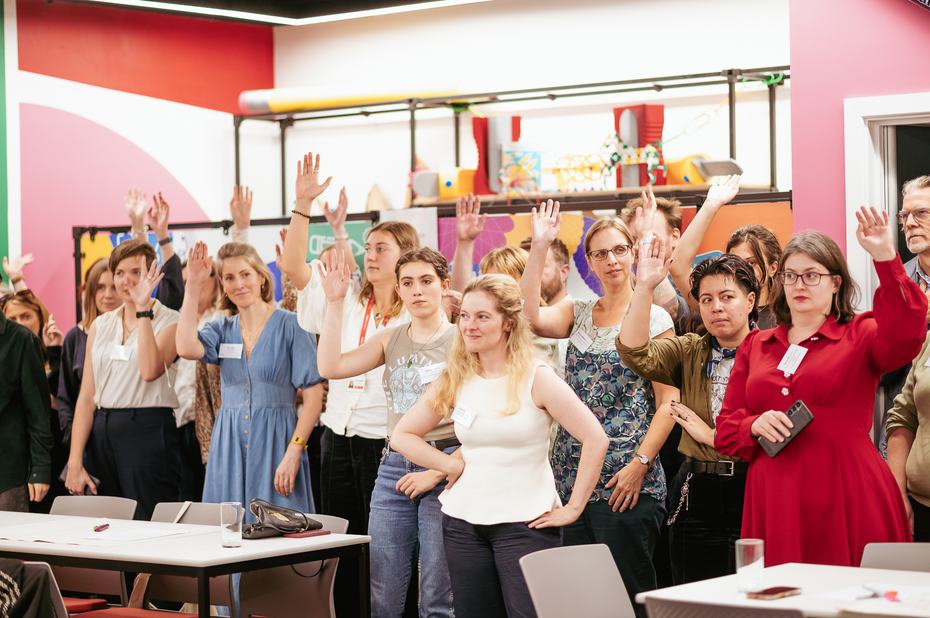
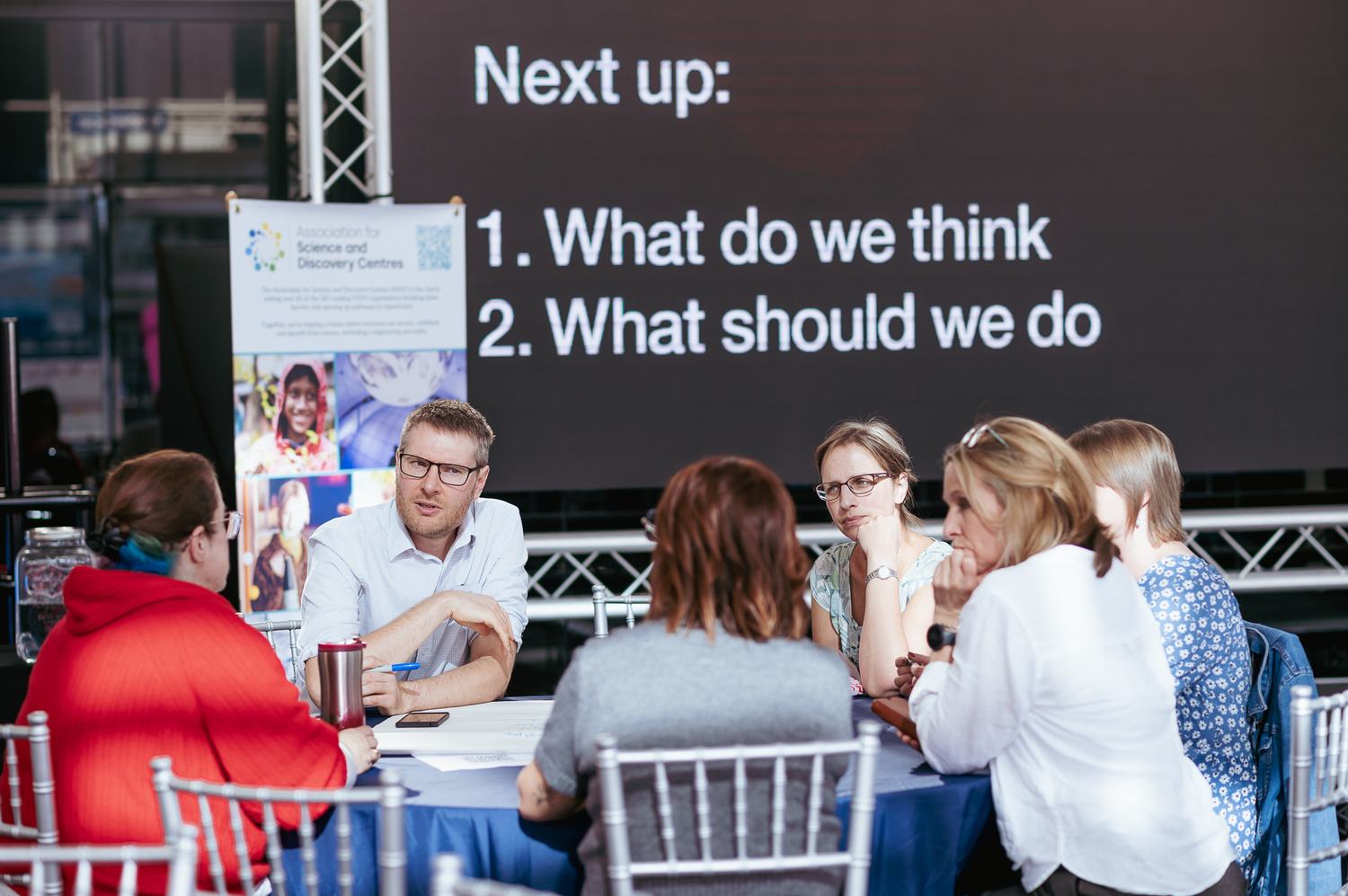
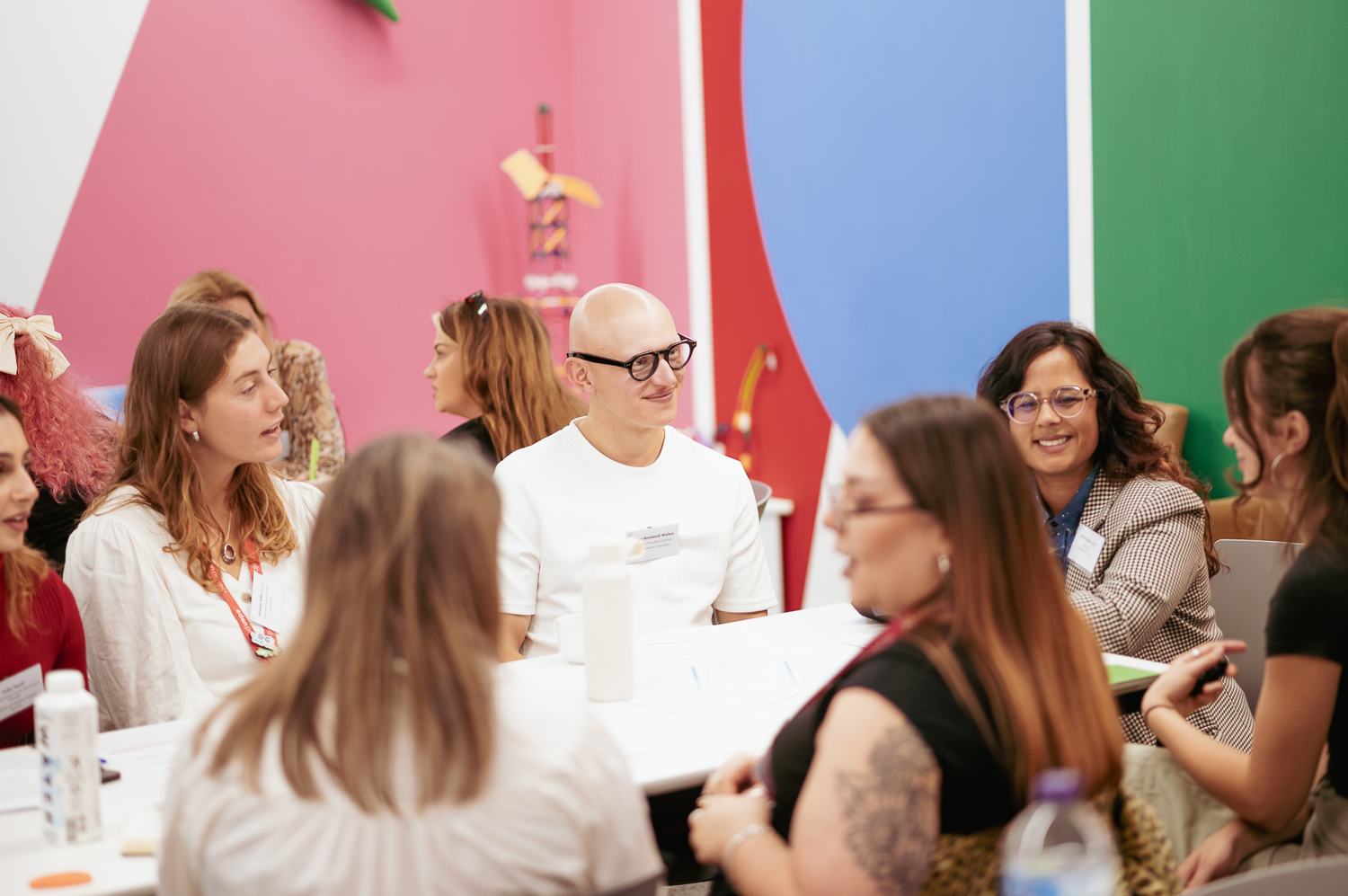
Climate and sustainability, careers and skills, community and co-creation and the wider impact of science engagement were the four themes explored through the conference’s Deep Dive sessions. These two hour in-depth sessions provided space for delegates to share experiences, examine common challenges and consider how their organisations could make a difference.
“Found this really interesting. I had real climate anxiety this summer, and the emergency briefing gave me a glimmer of hope.”
“It was nice to have longer to explore a topic especially as there was more than one organisation speaking. Having more time in a session for discussions with other participants was really valuable.”
“Articulating impact - this is a current and continuous need for me. Really helpful. I thought the spilt structure worked well, change of pace and focus and collaboration was good.”
“I found the session informative and inspiring. It was very helpful to learn about how others engage with communities, practical tips and examples of best practices.”
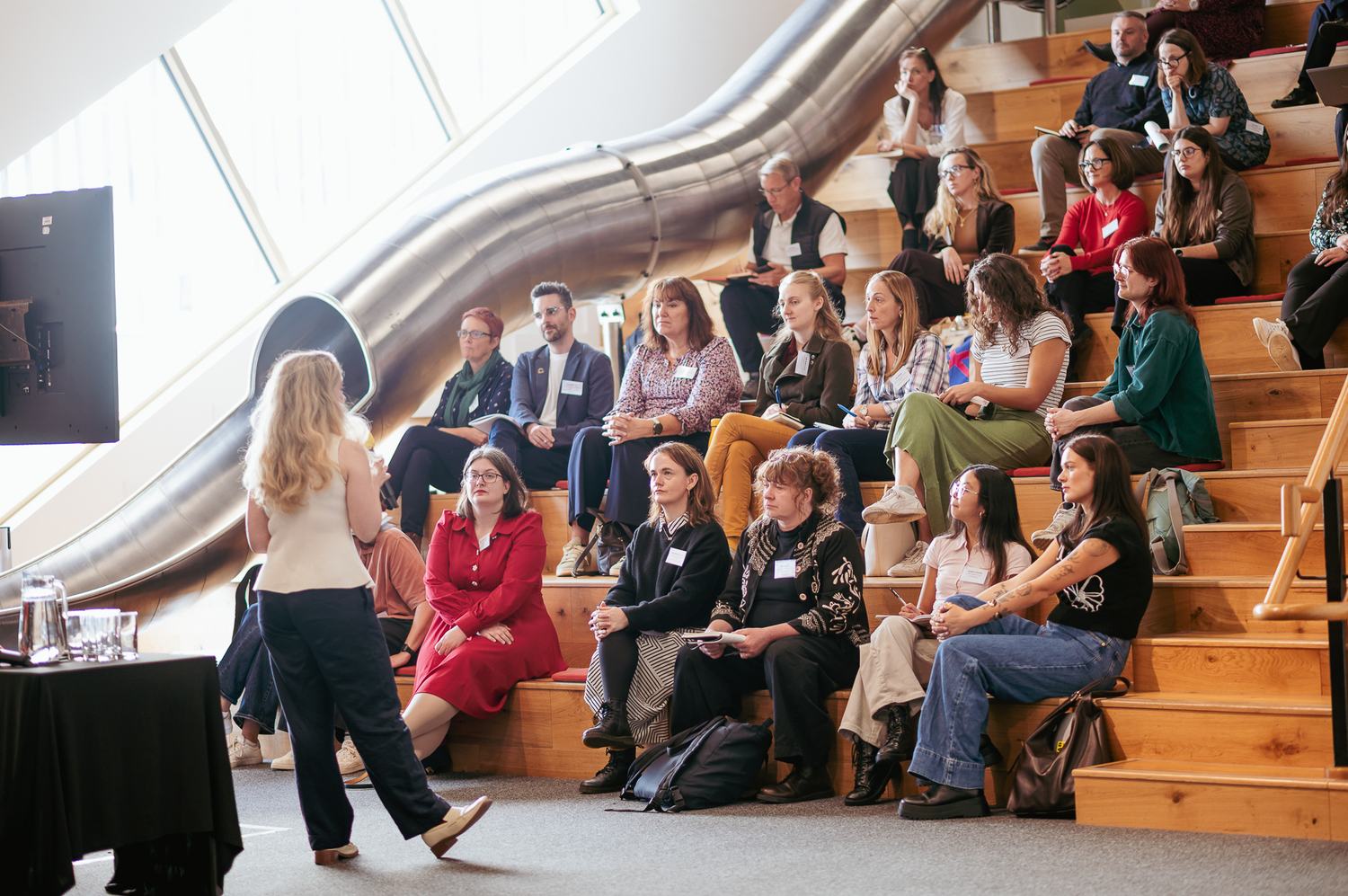
The programme also looked at how science can be communicated in new ways. Sessions explored the potential of animation and extended reality (XR) to reimagine engagement for audiences who may struggle to understand scientific concepts, alongside practical approaches to making data more accessible through visualisation.
In the planetarium, delegates could explore Engaging with dementia: A voyage inside the brain, demonstrating how science engagement can create opportunities for different audiences to encounter science in new and meaningful ways.
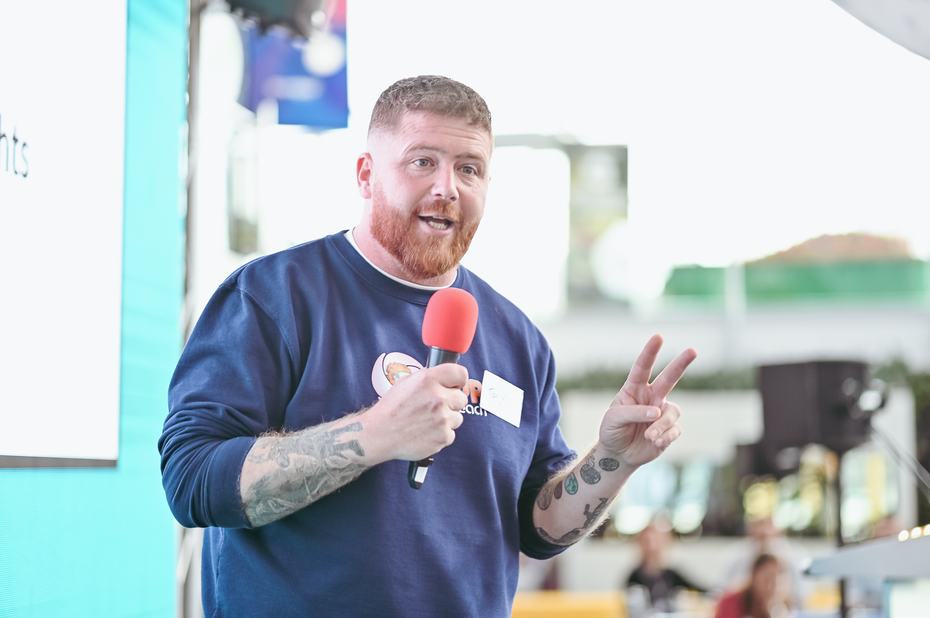
We opened day two with a focus on space, firstly with an incredible performance from Tony O’Sullivan, who is studying for a PhD in cometary physics at Cardiff University, and won FameLab UK 2026 with his Artemis-inspired poem. Find out more about Tony and watch on YouTube.
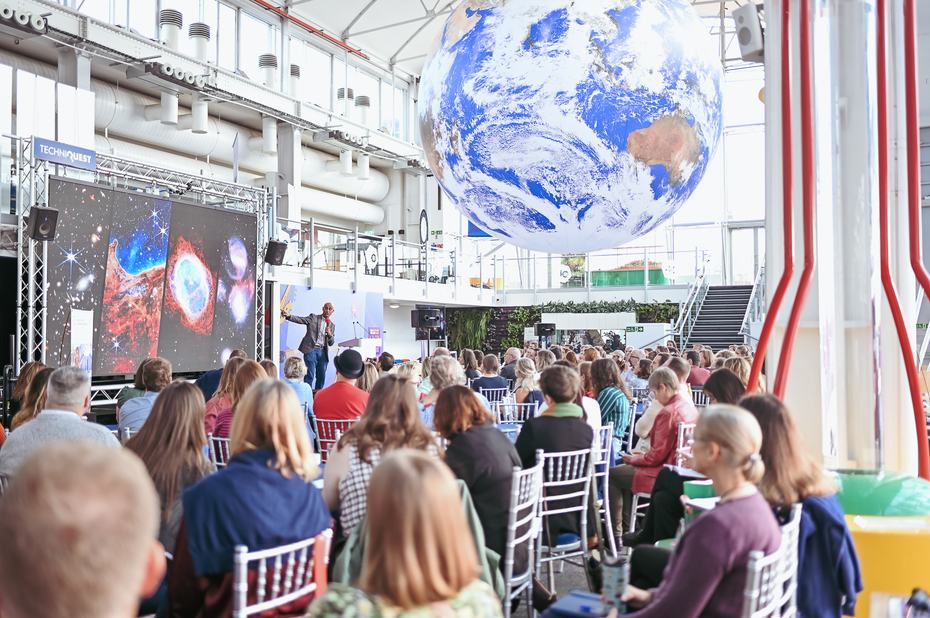
Keynote speaker Professor Anu Ojha OBE explored Who cares about space? Challenges and opportunities in the century of change, connecting the opportunities and challenges of space with a world undergoing rapid transformation.
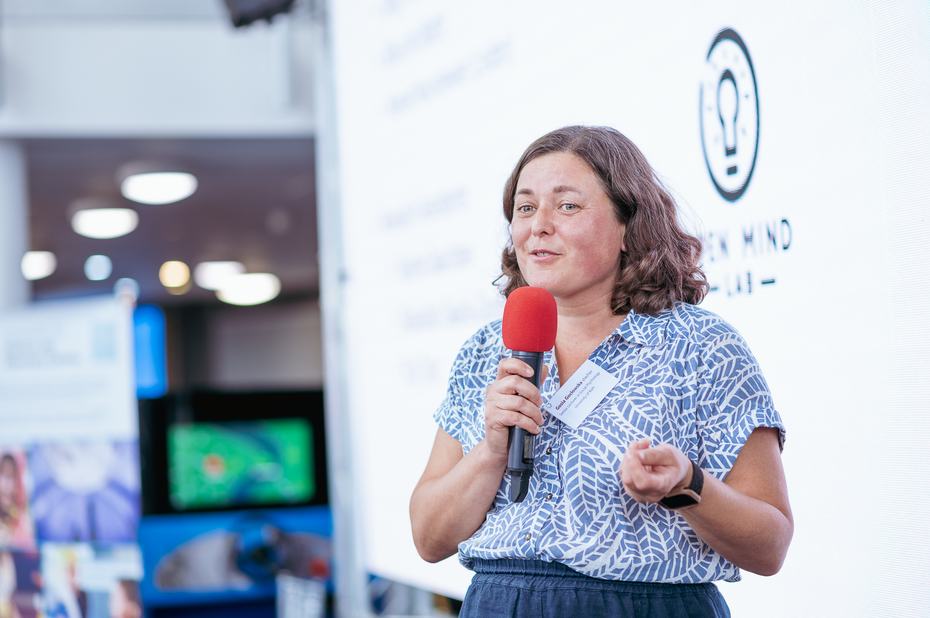
Dr Gosia Gocłowska examined the relationship between emotion and attitudes towards science in her keynote, Feeling science: How epistemic emotions link with attitudes in science centre audiences. These speeches encouraged delegates to consider not only what people learn from science engagement, but also how they feel, what they value and what might inspire them to take action.
Environmental activist Dr Mya-Rose Craig, also known as Birdgirl, brought these themes to life through her personal story and the experiences that shaped her commitment to environmental action. Sharing a message of hope and the importance of leading by example, she reminded delegates of the power of education to inspire change.
“Education leads to passion and passion leads to change... you have to have hope.”
Her words reinforced the importance of connecting science with the environmental challenges facing society, while empowering people to see themselves as part of the response.
Celebrating the people who make science engagement possible
The Marsh Trust Volunteer Awards with ASDC, now its fourth year, celebrates the outstanding contributions of volunteers across the sector. Volunteers play a vital role in bringing science to life, supporting visitors, creating memorable experiences and helping organisations connect with their communities.
Congratulations to our 2026 winners Colin MacLaine, Chair of Trustees at Dark Space Planetarium, named this year’s volunteer award winner, and Isabella Hughes, a young hugely dedicated volunteer at Armagh Planetarium & Observatory in Northern Ireland, who received the Youth Voice Award. Both winners received £500, a certificate and free access to other science centres and museums in the ASDC network over the following year.
The awards also recognised highly commended nominees Malcolm McCleery, from Armagh Planetarium & Observatory, and the Next Gen Earth Youth Voice team, comprising eight students working with the Oxford University Museum of Natural History.
Congratulations to all the winners and highly commended nominees!
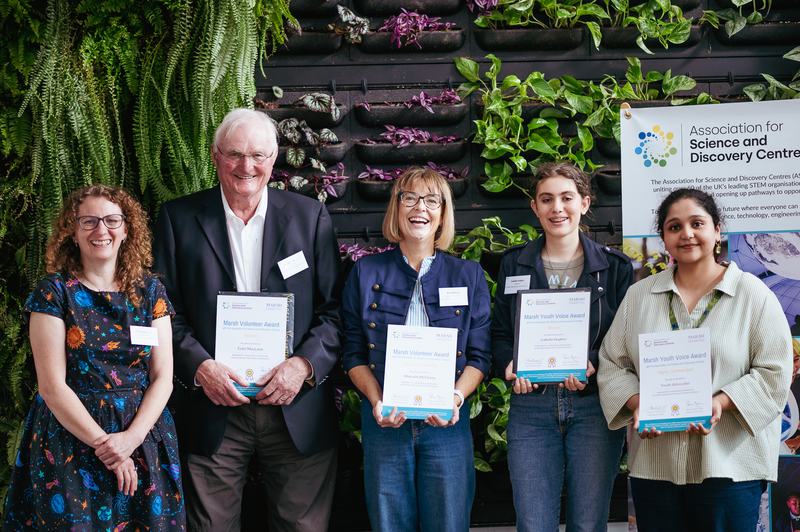
Left to right: Vicky Hope and Colin MacLaine (Volunteer Award winner) from Dark Space Planetarium, Kelly McGloin and Isabella Hughes (Youth Volunteer Award winner) from Armagh Planetarium & Observatory and Devika from Oxford University Museum of Natural History.
Creativity, connection and a little bit of fire
Alongside the formal programme, ASDC26 created opportunities for delegates to exchange ideas, build relationships and experience science engagement in action.
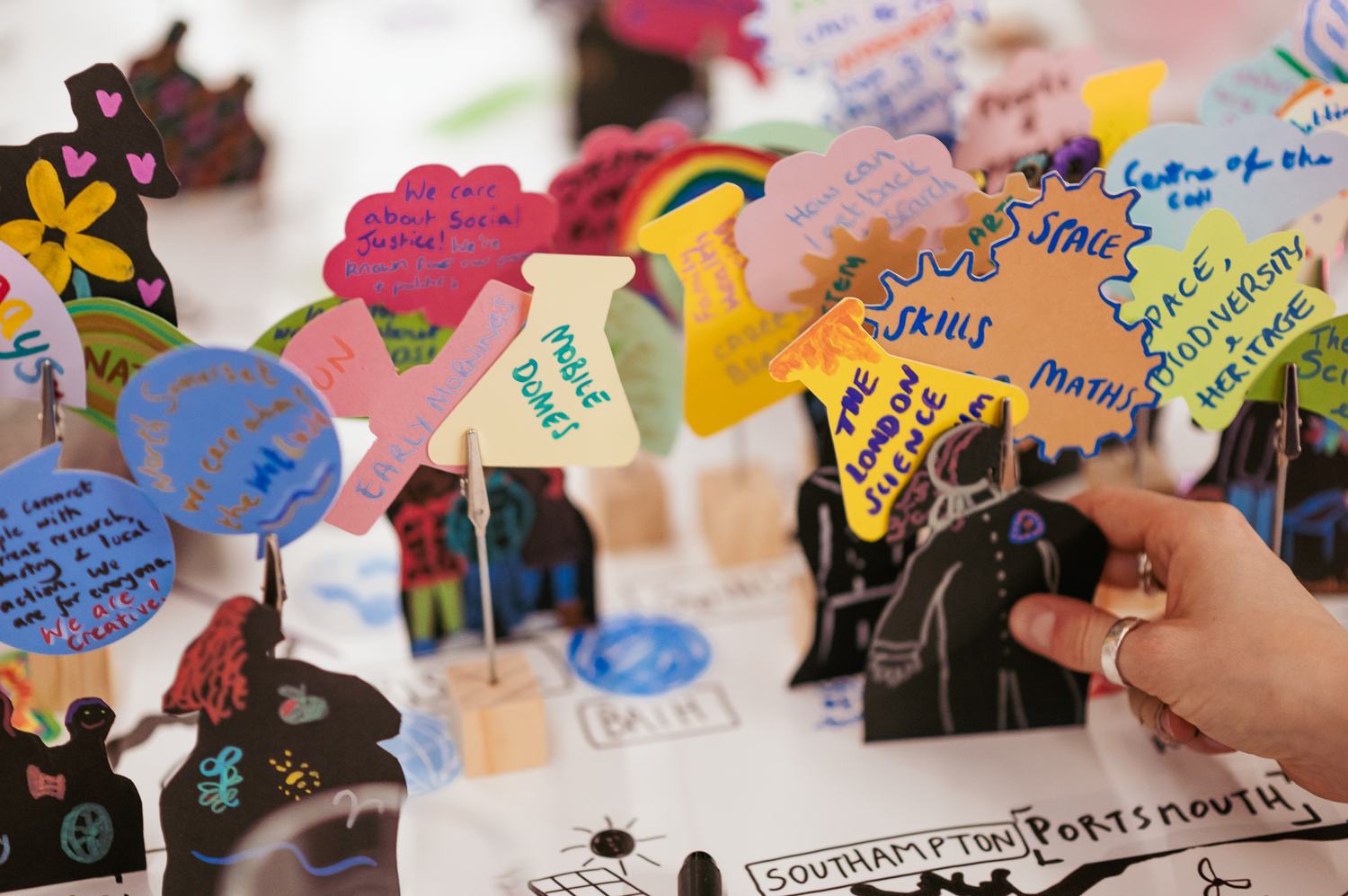
A collaborative art project ran throughout the conference, inviting delegates to reflect on who cares about science in their own area or local community. Using lino cutting, stamps and stickers, participants contributed to a three-dimensional map of the UK, creating a collective artwork celebrating the people, places and communities that give science engagement its meaning.
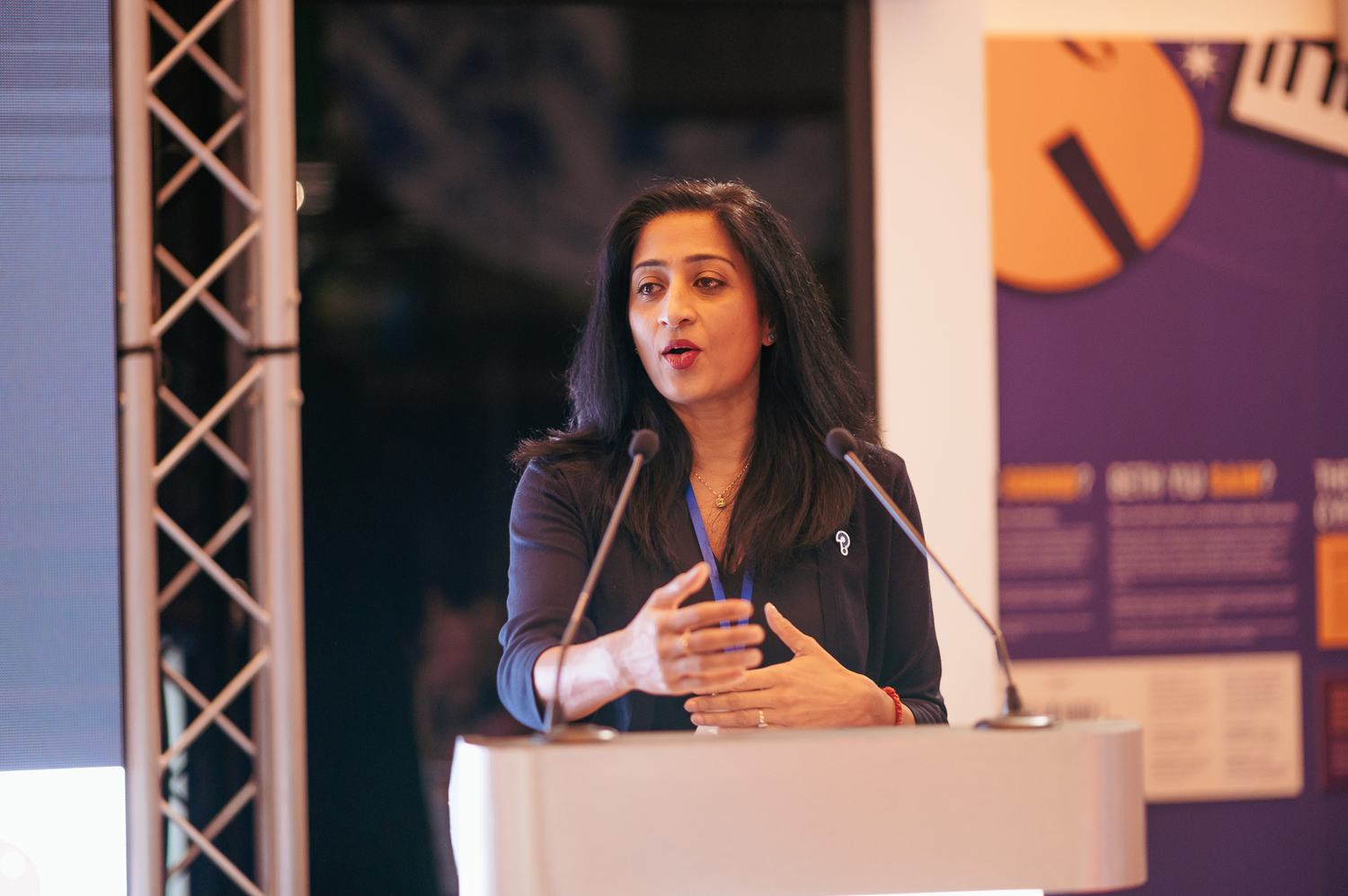
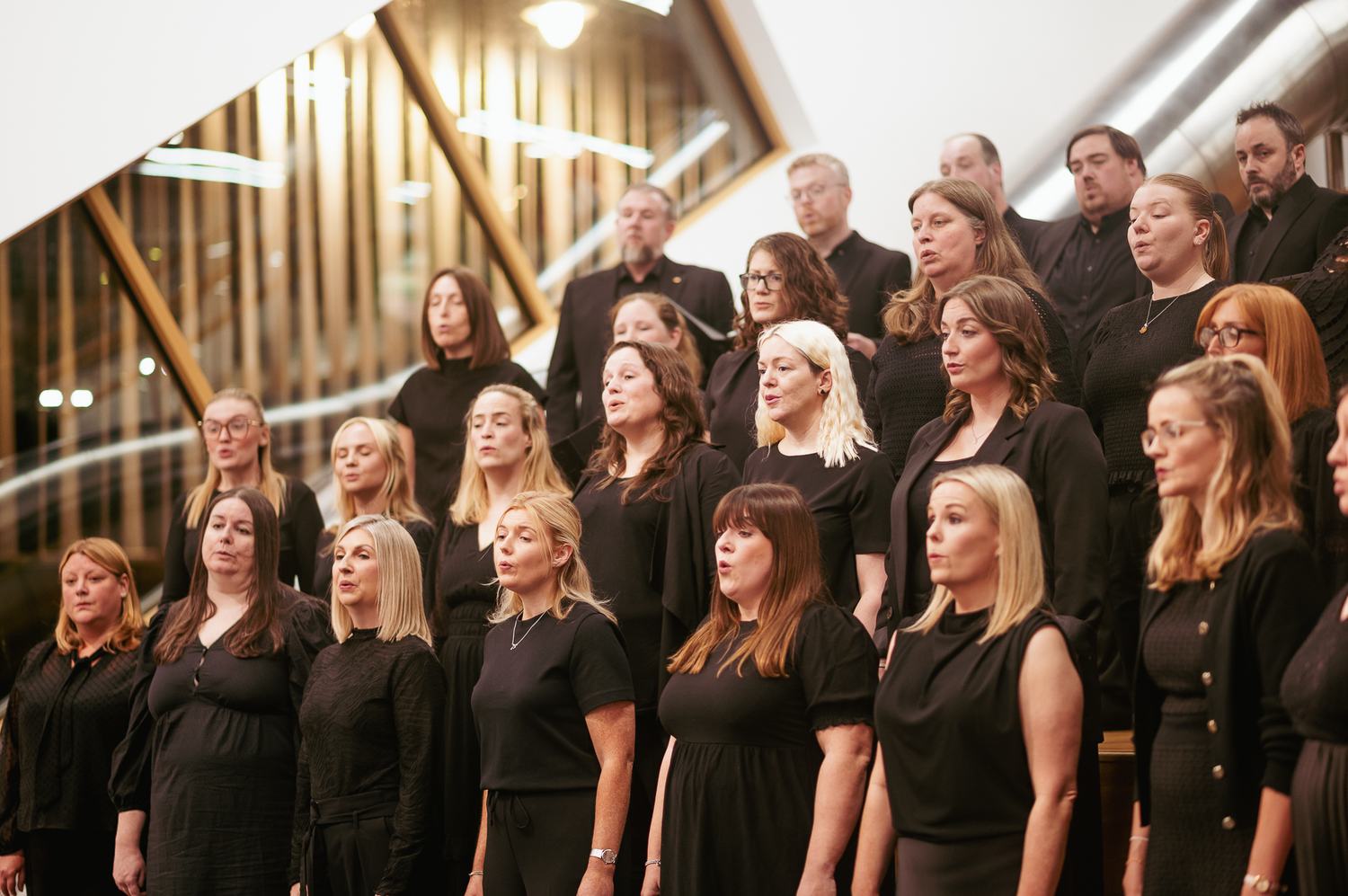
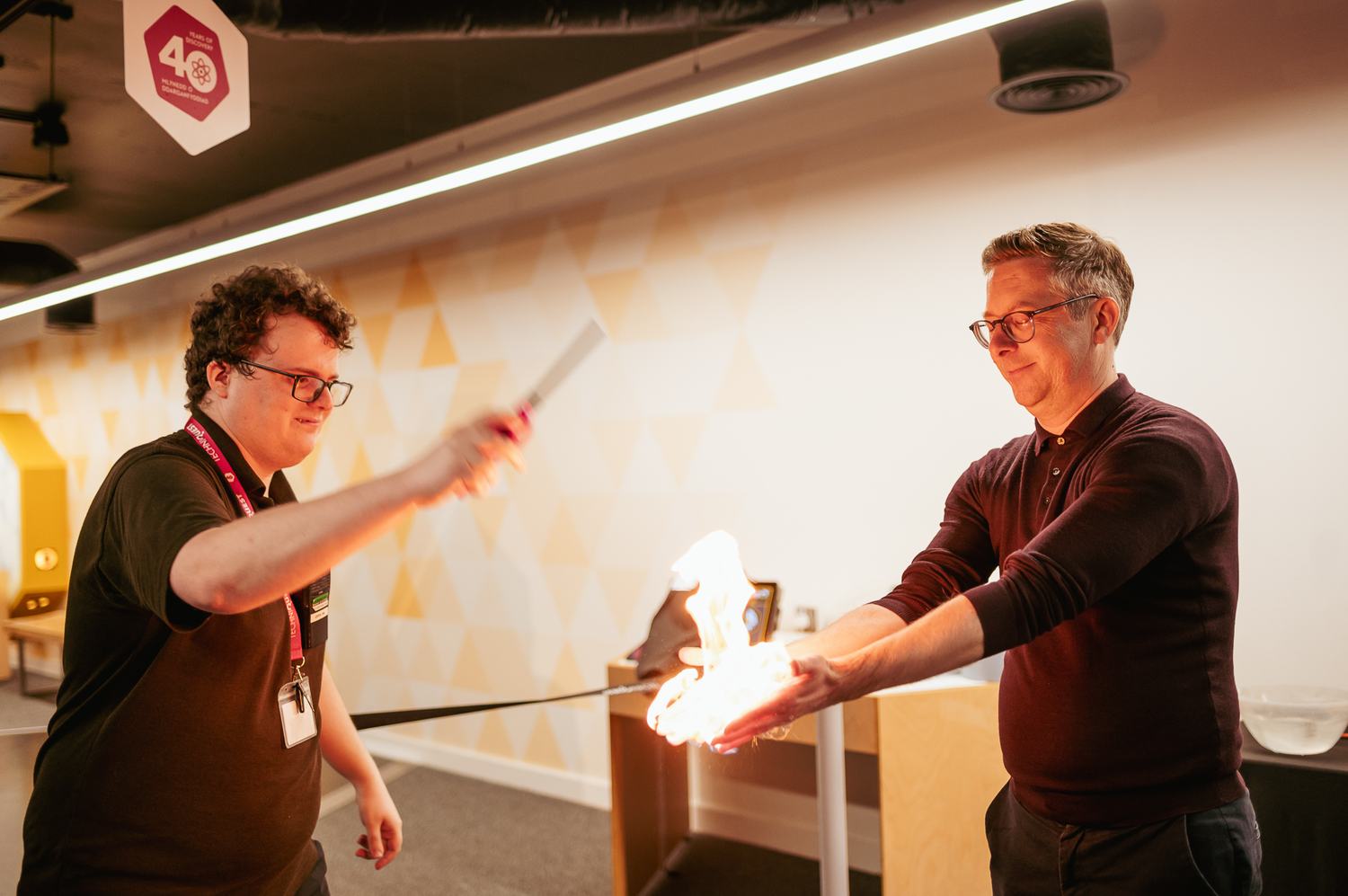
During the drinks reception at Techniquest, a local choir performed in both English and Welsh, providing a warm welcome for delegates. Techniquest’s science communicators were also on hand with a range of hands-on demonstrations, including some spectacular experiments with guests setting their hands on fire (safely of course!). The dinner keynote speaker, Rita Singh, an environmental engineer and sustainability leader delivered the evening keynote Who cares enough about science? Drawing on her work shaping Wales’ Wellbeing of Future Generations Act and leading community-focused environmental initiatives, Rita brought a perspective on how science, sustainability and public policy can help create a better future.
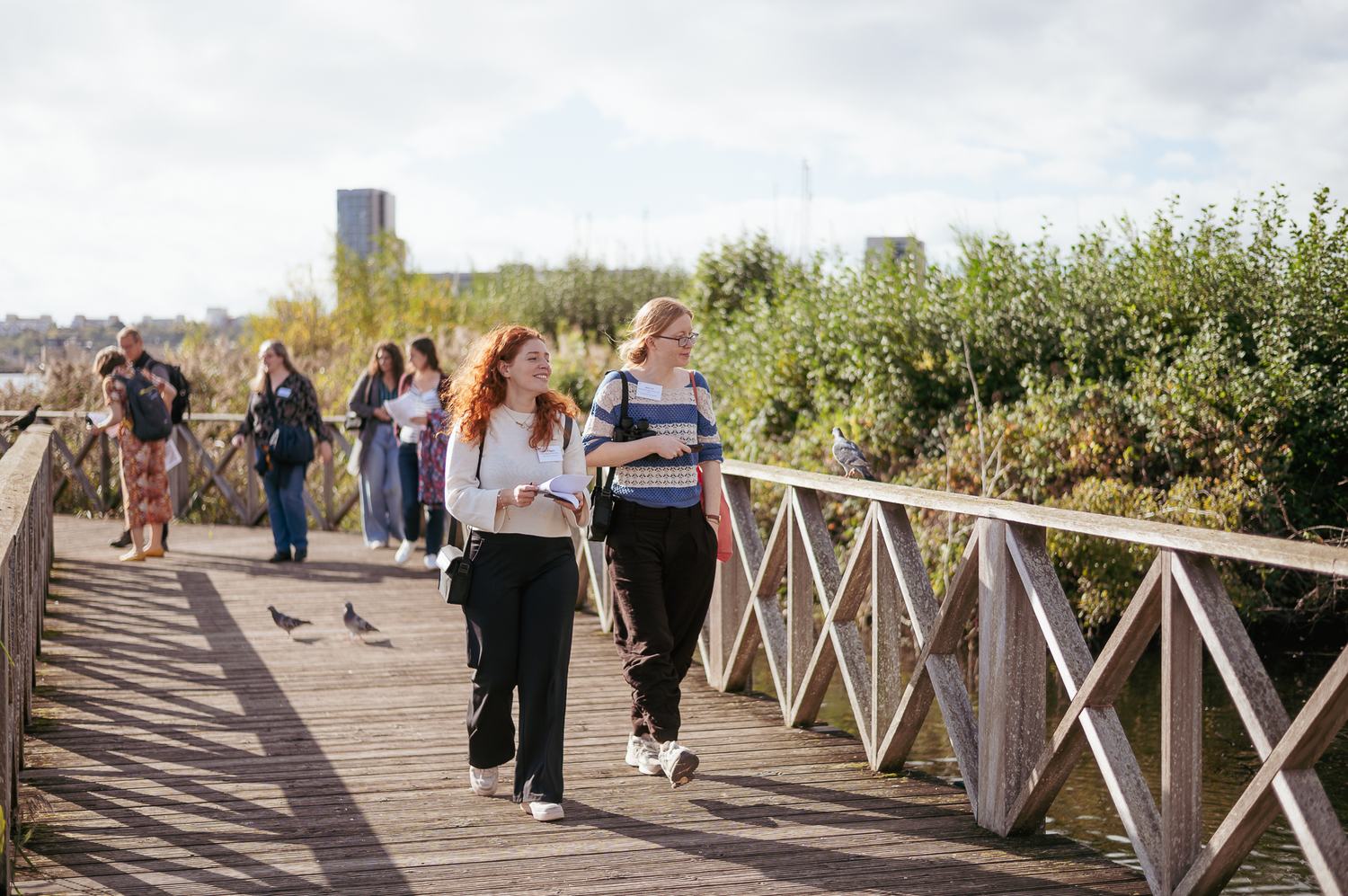
Delegates also enjoyed a wetland walk around Cardiff Bay in the October sunshine, offering time to connect with colleagues and experience the local environment.
The conference provided opportunities to meet exhibitors face-to-face and explore potential collaborations with Exhibits.NL, Huttingers, Oddball CIC, Science Projects, Semantic, Vuseum Europe and Whitefire sharing their work with science centres, museums and eco attractions around the UK.


Feedback from delegates
The value of bringing the network together was clear in delegates’ reflections on their biggest takeaways from the conference. One highlighted the importance of combining inspiring content with a strong sense of social purpose:
“New ways of developing awe inspiring content, the power of this and the importance of staying mindful of the social elements of our work including representation and climate themes”
Another reflected on the role of communities in shaping meaningful experiences:
“Involving your communities in co-creation is really important for giving them agency.”
For others, the conference reinforced the sector’s potential to influence change:
“We are in a strong position when it comes to trying to instigate change and work in an agile way to do things differently. Our strategic focus on the climate emergency is a strong one - and the fact we are looking at the story of planet Earth and of space means we are really well positioned to address topics that were at the heart of the conference.”
Delegates also highlighted the unique role of ASDC in creating space for conversations that might not otherwise happen:
“That ASDC remains a really important and valued organisation for its members and delivers a unique conference programme that provides a stage for really important conversations to happen which don't really happen at other conferences.”
Turning conversations into action
ASDC26 challenged the sector to think beyond how we communicate science and consider why it matters, who it reaches and whose voices shape it. From the conviction of local school students to the experiences shared by environmental activists, volunteers and colleagues across the network, the conference reinforced the importance of listening, collaboration and connecting science with people’s lives.
As the sector looks to the future, the challenge is to turn these conversations into action: creating experiences that inspire curiosity, reflect the diversity of our communities and demonstrate how science can help us understand and respond to the challenges we share.
Thank you to Techniquest for hosting us in Cardiff and helping us celebrate 40 years of hands-on science engagement in Wales, to all our speakers, exhibitors and contributors, and to everyone who joined us for two days of thoughtful discussion, fresh ideas and renewed connections.